
1. Precautions for transporting cooked food
1. Temperature control
Cooked food must be kept in the appropriate temperature range during transportation to prevent bacterial growth and food deterioration. Hot food should be kept above 60°C, and cold food should be kept below 4°C.
2. Packaging safety
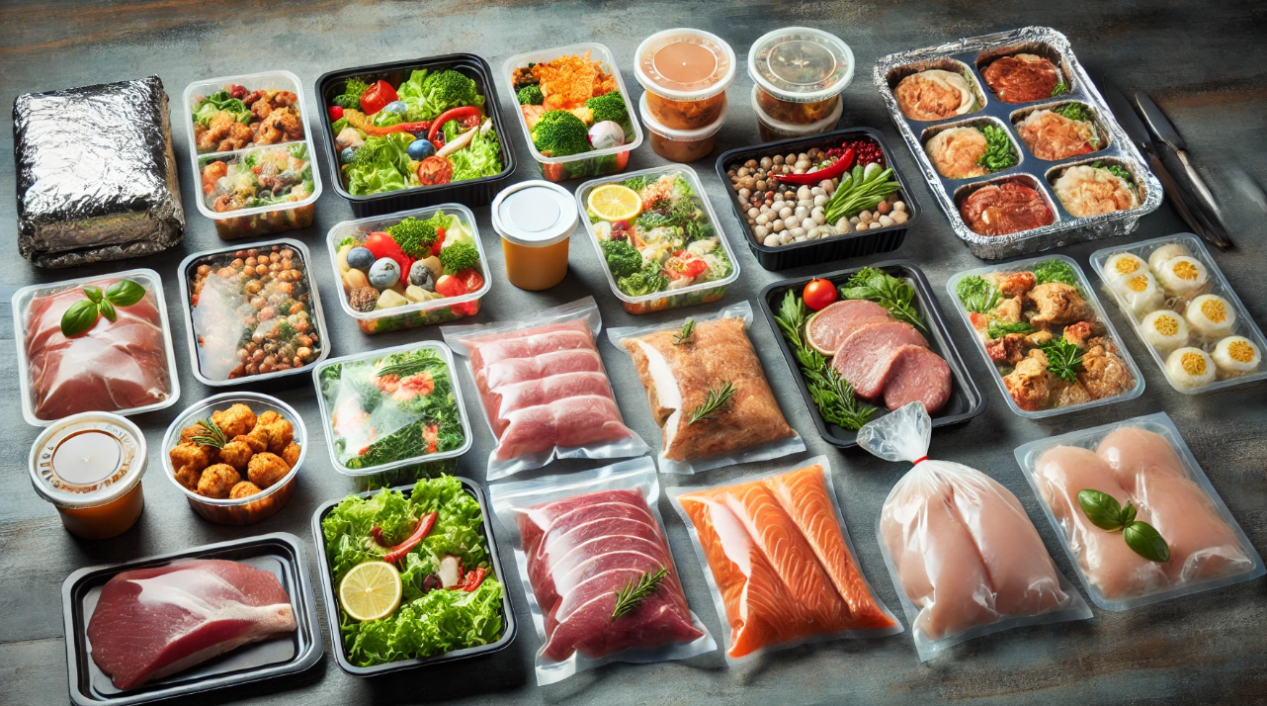
Ensure that the packaging provides adequate protection against physical damage and contamination of food during transportation.
3. Time management
Minimize the transportation time and ensure that the food arrives at the destination in the best condition.
4. Labeling and identification
Clearly mark the packaging, indicate “perishable items”, “refrigerado / insulated” e “fragile items”, and remind the logistics personnel to handle them carefully.
2. Packaging steps
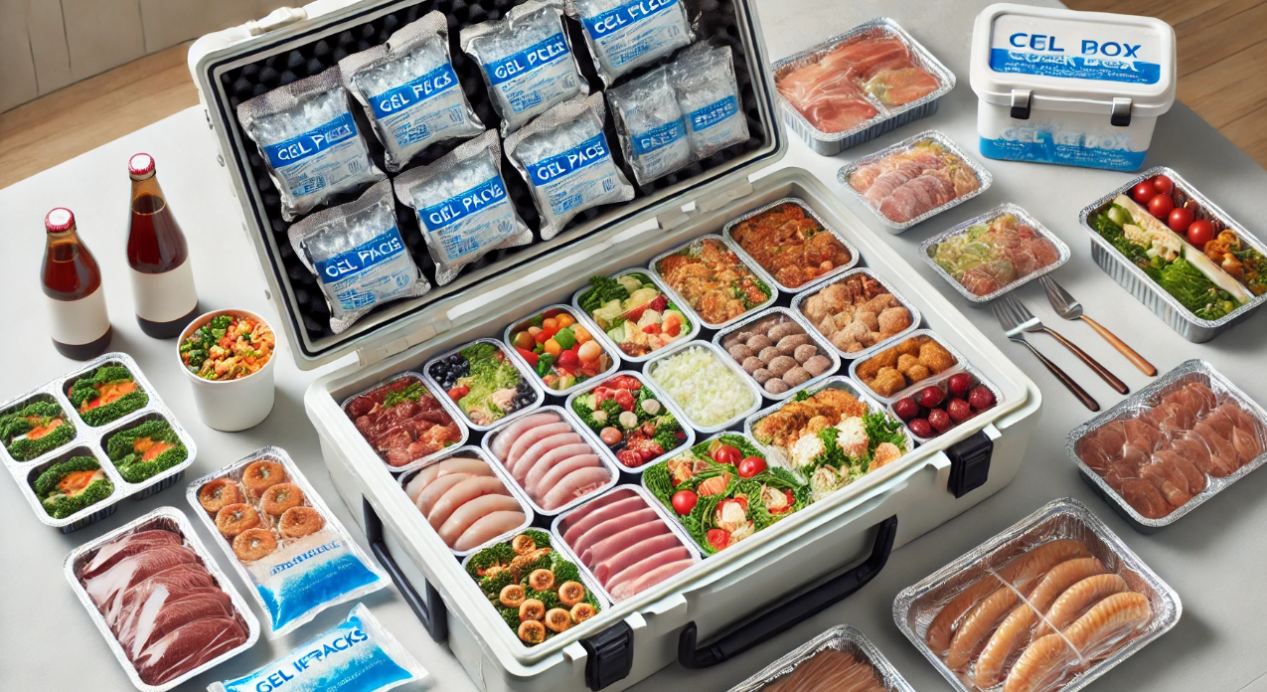
1. Prepare the materials
-Efficient incubator (como EPS, PPE, or VIP)
-Condensant medium (e. g. saco de gelo em gel, phase change material or water injection ice bag) or heat medium (e. g. thermal insulation stone, hot water bag)
-Leakproof packaging container
-Temperature monitoring equipment
-Foam or bubble cushion
2. Packaged food
Place cooked food in a leak-proof packaging container to ensure that it does not leak during transportation.
3. Use a refrigerant or a hot medium
Use refrigerant or heat medium according to the type of food. Use gel ice packs, phase change materials or water injection ice packs for cold food, and use thermal insulation stone or hot water bags for hot food.
4. Place the temperature monitoring equipment
Place the temperature monitoring equipment in the incubator to monitor the temperature change in the incubator in real time to ensure that the food remains within the appropriate temperature range.
5. Fill in the void
Use foam or bubble pads to fill the gaps in the incubator to prevent the food from moving and shaking during transportation.
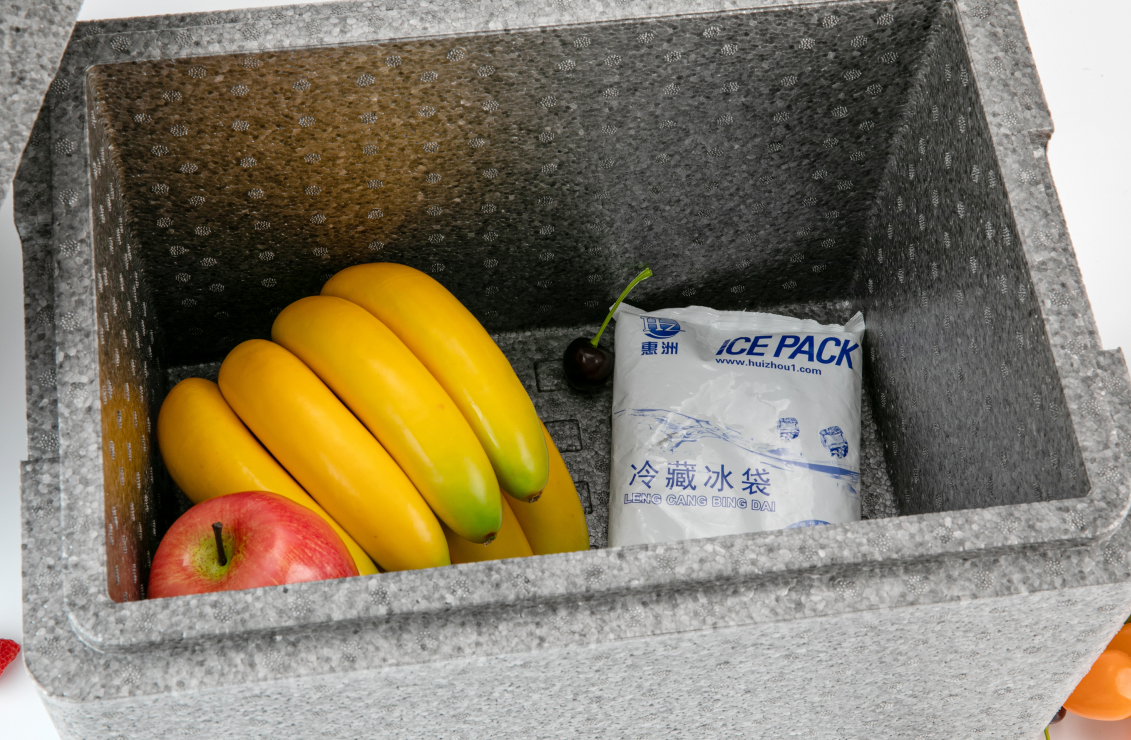
6. Selar a incubadora
Ensure that the incubator is well sealed and marked on the outside to remind the logistics personnel to handle it carefully.
3. Temperature control method
1. Choose the appropriate thermal insulation material
Use high efficiency insulation materials, como EPS, EPP or VIP incubator, which have excellent thermal insulation performance and can effectively keep the internal temperature stability.
2. Use the appropriate refrigerant or hot media
Choose the appropriate refrigerant or heat medium according to the type of food to ensure that the whole process remains within the appropriate temperature range. Use gel ice packs, phase change materials or water injection ice packs for cold food, and use thermal insulation stone or hot water bags for hot food.
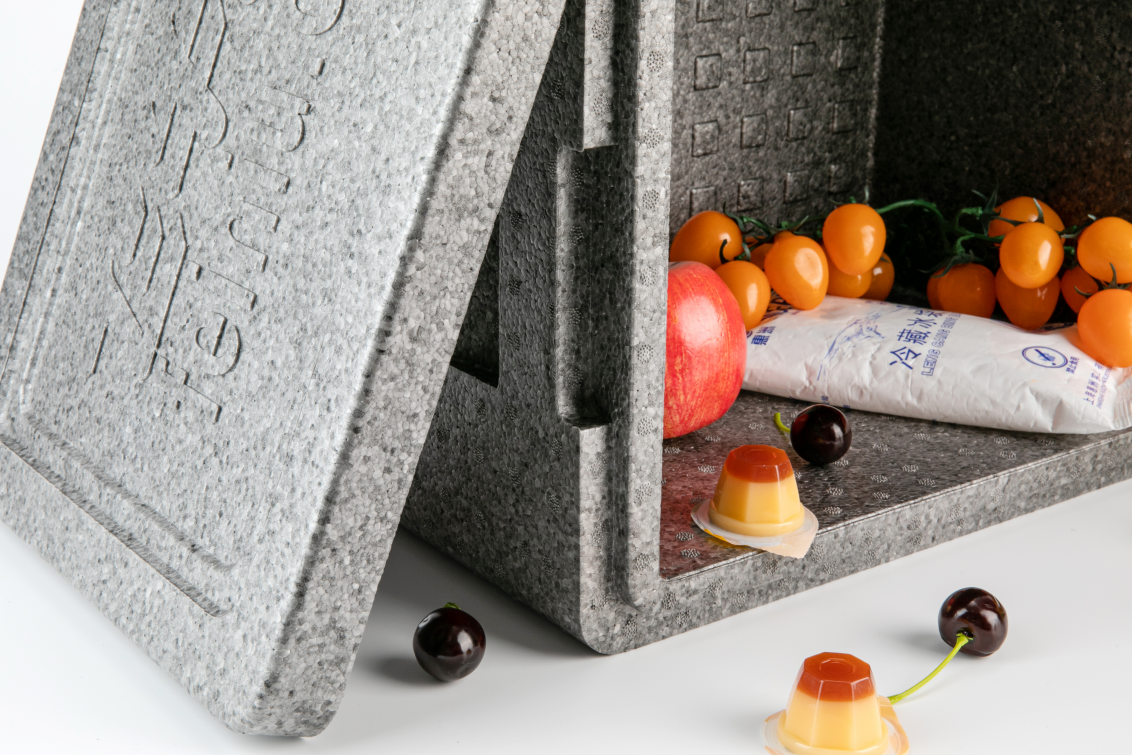
3. Real-time temperature monitoring
Place the temperature monitoring equipment in the incubator to monitor the temperature change in the incubator in real time to ensure that the temperature is always within the safe range. In case of abnormal temperature, take timely measures to adjust the position of the refrigerant or heat medium or increase the quantity.
4. Huizhou’s professional solutions
Maintaining food temperature and freshness is critical during transporting cooked food. Huizhou Industrial Cold Chain Technology Co., Ltda. provides a series of efficient cold chain transportation products, the following is our professional proposal.
1. Huizhou products and applicable scenarios
cooling medium
1.1 Water injection ice bag:
-Main application temperature: 0℃
-Applicable scenario: Suitable for cooked food that needs to be kept around 0℃, such as some food that needs to be kept low but not frozen.
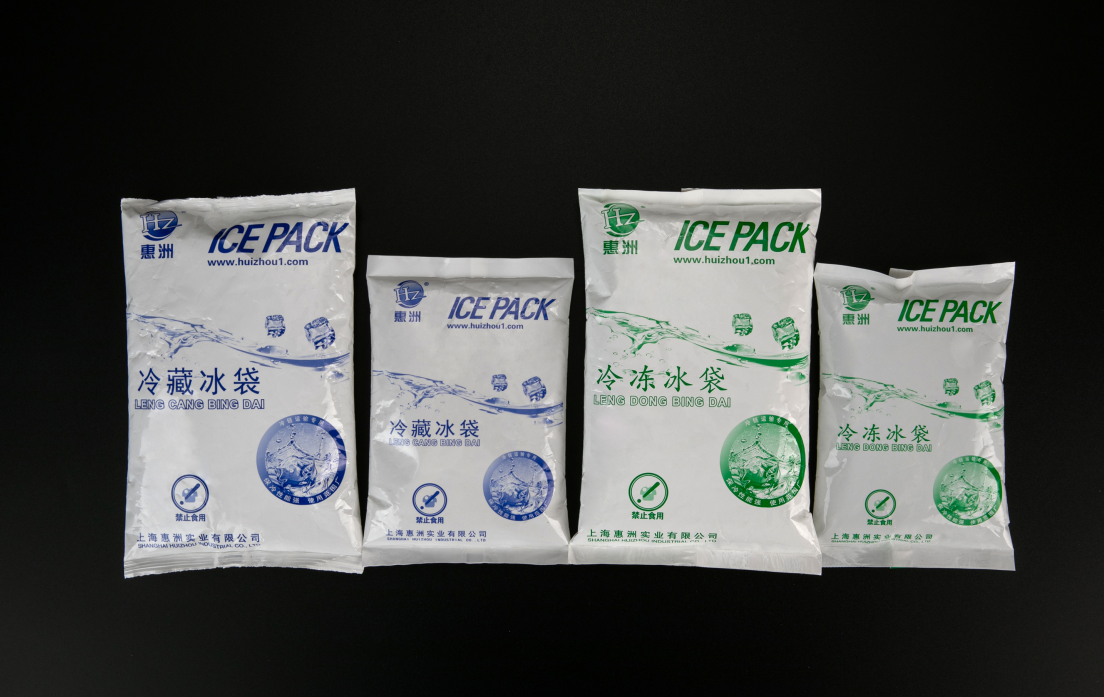
1.2 Saline water ice pack:
-Main application temperature range: -30℃ to 0℃
-Applicable scenarios: For cooked foods that require lower temperatures but not extreme low temperatures, such as some refrigerated meat and seafood.
1.3 Gel ice pack:
-Main application temperature range: 0℃ to 15℃
-Applicable scenarios: For cooked food at slightly low temperatures, such as cooked salad and some fresh cooked food that need to be kept low.
1.4 Organic phase change materials:
-Main application temperature range: -20℃ to 20℃
-Applicable scenario: suitable for accurate temperature control transportation in different temperature ranges, such as high-end cooked food required to maintain room temperature or refrigerated.
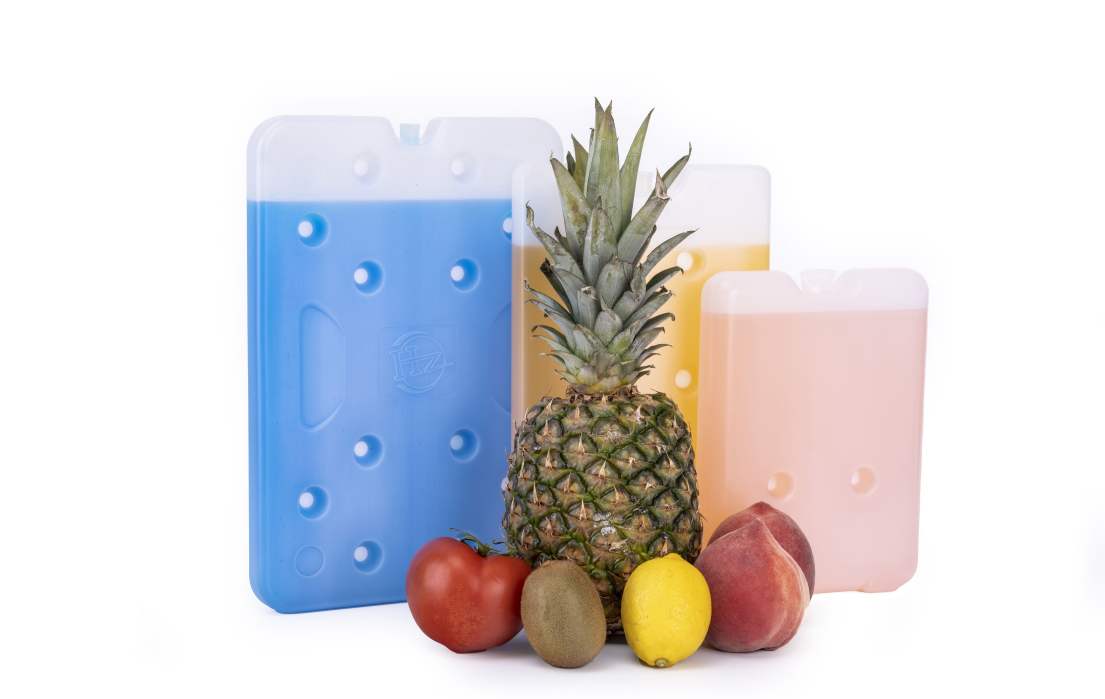
1.5 Ice box ice board:
-Main application temperature range: -30℃ to 0℃
-Applicable scenario: cooked food for short transportation and at a certain refrigerated temperature.
2. Insulator box
2.1 Incubadora VIP:
-Características: Use vacuum insulation plate technology to provide the best insulation effect.
-Applicable scenario: Suitable for the transportation of extreme temperature requirements and high-value cooked food.
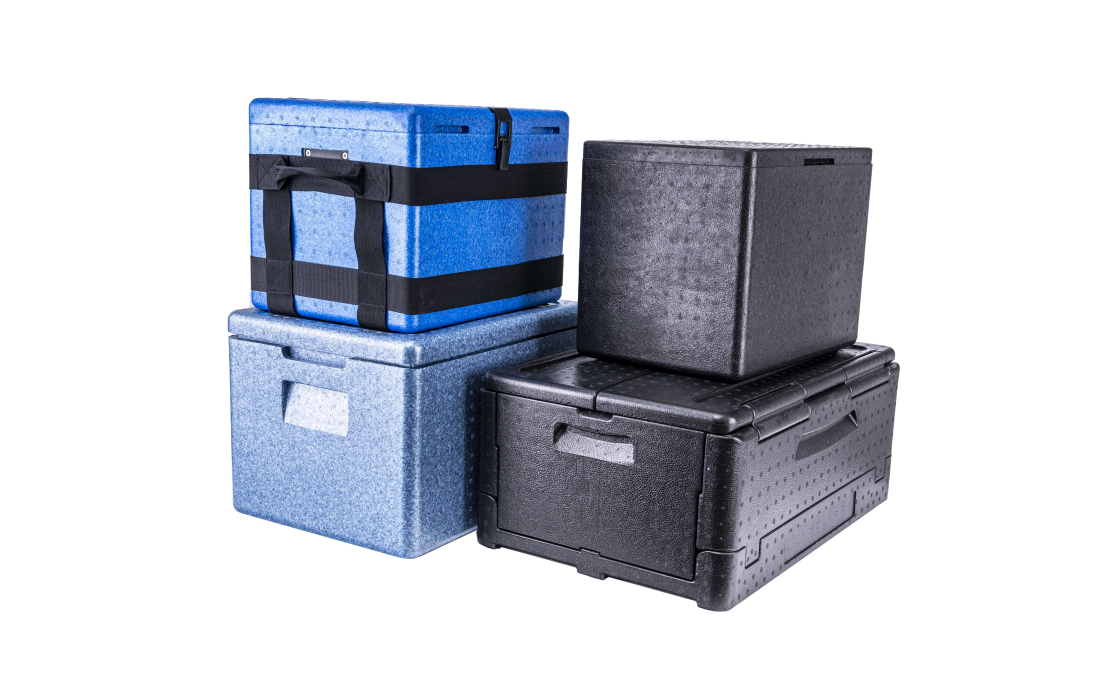
2.2Incubadora EPS:
-Características: Polystyrene materials, low cost, suitable for general thermal insulation needs and short-distance transportation.
-Applicable scenario: suitable for the transportation of cooked food requiring moderate insulation effect.
2.3 Incubadora EPP:
-Características: high density foam material, provide good insulation performance and durability.
-Applicable scenario: suitable for transportation requirements requiring long insulation.
2.4 PU incubator:
-Características: polyurethane material, excellent thermal insulation effect, suitable for long-distance transportation and high requirements of thermal insulation environment.
-Applicable scenario: suitable for long-distance and high-value cooked food transportation.
3. Heat preservation bag
3.1 Oxford cloth insulation bag:
-Características: light and durable, suitable for short-distance transportation.
-Applicable scenario: suitable for the transportation of small batch of cooked food, easy to carry.
3.2 Non-woven fabric insulation bag:
-Características: environmentally friendly materials, good air permeability.
-Applicable scenario: suitable for short distance transportation for general insulation requirements.
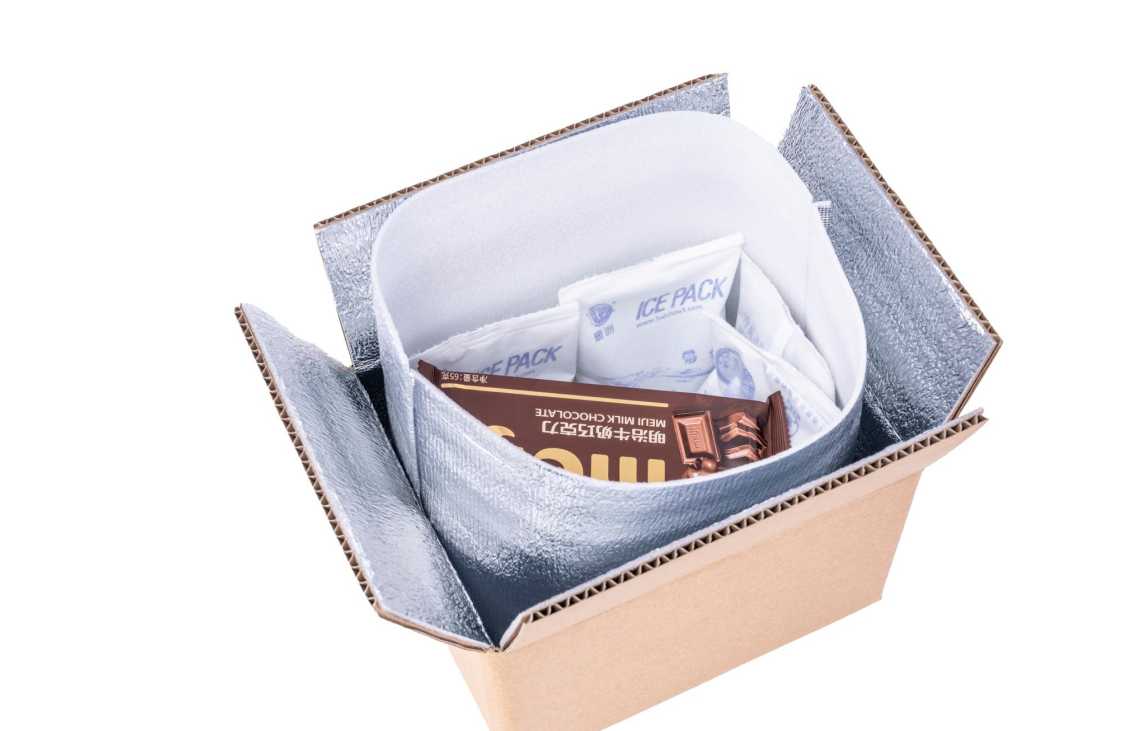
3.3 Aluminum foil insulation bag:
-Características: reflected heat, good thermal insulation effect.
-Applicable scenario: suitable for short and medium distance transportation and cooked food requiring heat insulation and moisturizing.
4. Recommended programs according to the type of cooked food
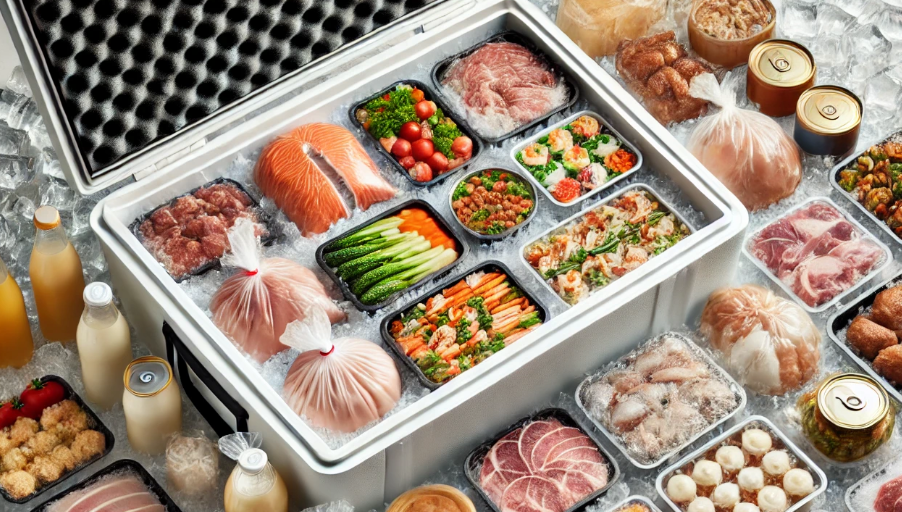
4.1 Refrigerated cooked food (such as cooked food meat, frutos do mar, etc.):
-Recommended solution: Use a saline ice pack or ice box ice plate, paired with a PU incubator or EPS incubator, to ensure that the temperature is maintained between 0℃ and-5℃ to keep the food fresh and quality.
4.2 Deli salad and fresh deli:
-Recommended solution: Use a gel ice bag with an EPP incubator or aluminum foil insulation bag to ensure that the temperature is maintained between 0℃ and 10℃ to maintain the taste and freshness of the food.
4.3 Normal temperature cooked food (such as cooked food pastry, bread, etc.):
-Recommended scheme: use organic phase change materials, with Oxford cloth insulation bag or non-woven insulation bag, to ensure that the temperature is maintained at about 20℃, to prevent food moisture and deterioration.
4.4 Deli food required to be transported at extreme low temperature (such as quick-frozen cooked food):
-Recommended solution: Use dry ice, combined with a VIP incubator, to ensure that the temperature is maintained at-78.5℃, to keep the food frozen and fresh.
By using Huizhou’s cold storage and insulation products, you can ensure that cooked food maintains the best temperature and quality during transportation. We are committed to providing our customers with the most professional and efficient cold chain transportation solutions to meet the transportation needs of different types of cooked food.
5. Serviço de monitoramento de temperatura
Se você deseja obter as informações de temperatura do seu produto durante o transporte em tempo real, Huizhou fornecerá a você um serviço profissional de monitoramento de temperatura, mas isso trará o custo correspondente.
6. Nosso compromisso com o desenvolvimento sustentável
1. Materiais ecológicos
Nossa empresa está comprometida com a sustentabilidade e utiliza materiais ecologicamente corretos em soluções de embalagens:
-Recipientes de isolamento recicláveis: Nossos recipientes EPS e EPP são feitos de materiais recicláveis para reduzir o impacto ambiental.
-Refrigerante biodegradável e meio térmico: Fornecemos bolsas de gelo em gel biodegradáveis e materiais de mudança de fase, seguro e ambientalmente amigável, para reduzir o desperdício.
2. Soluções reutilizáveis
Promovemos a utilização de soluções de embalagens reutilizáveis para reduzir desperdícios e reduzir custos:
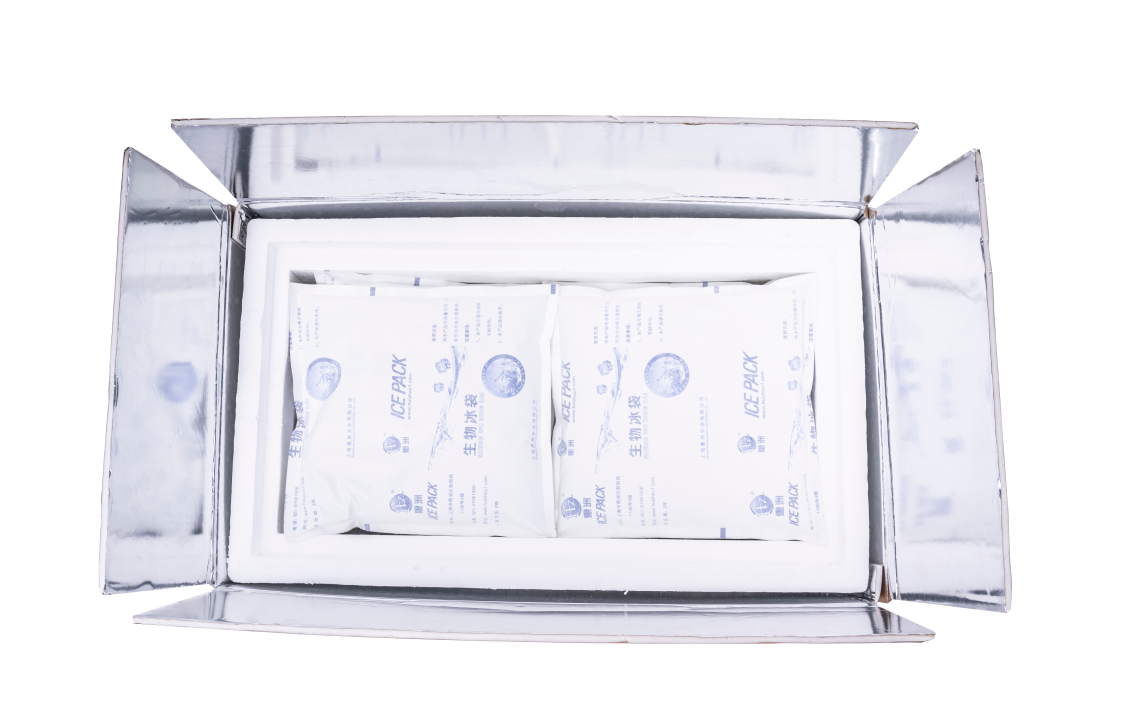
-Recipientes de isolamento reutilizáveis: Nossos contêineres EPP e VIP são projetados para uso múltiplo, proporcionando economia de custos e benefícios ambientais a longo prazo.
-Refrigerante reutilizável: Nossas bolsas de gelo em gel e materiais de mudança de fase podem ser usados diversas vezes, reduzindo a necessidade de materiais descartáveis.
3. Prática sustentável
Aderimos a práticas sustentáveis em nossas operações:
-Eficiência energética: Implementamos práticas de eficiência energética durante os processos de fabricação para reduzir a pegada de carbono.
-Reduza o desperdício: Nós nos esforçamos para minimizar o desperdício por meio de processos de produção eficientes e programas de reciclagem.
-Iniciativa Verde: Estamos ativamente envolvidos em iniciativas verdes e apoiamos esforços de proteção ambiental.