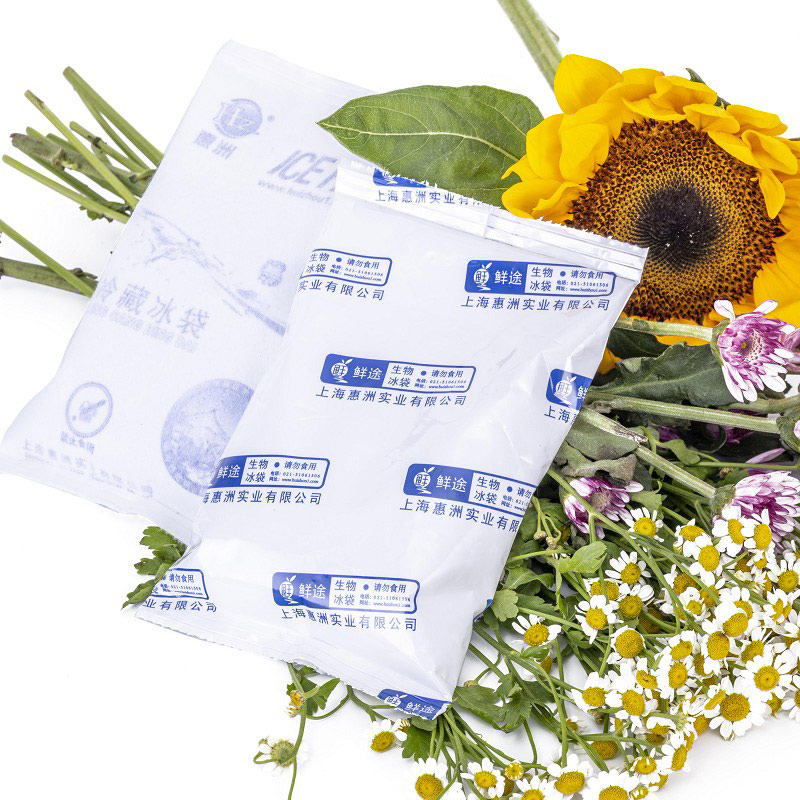
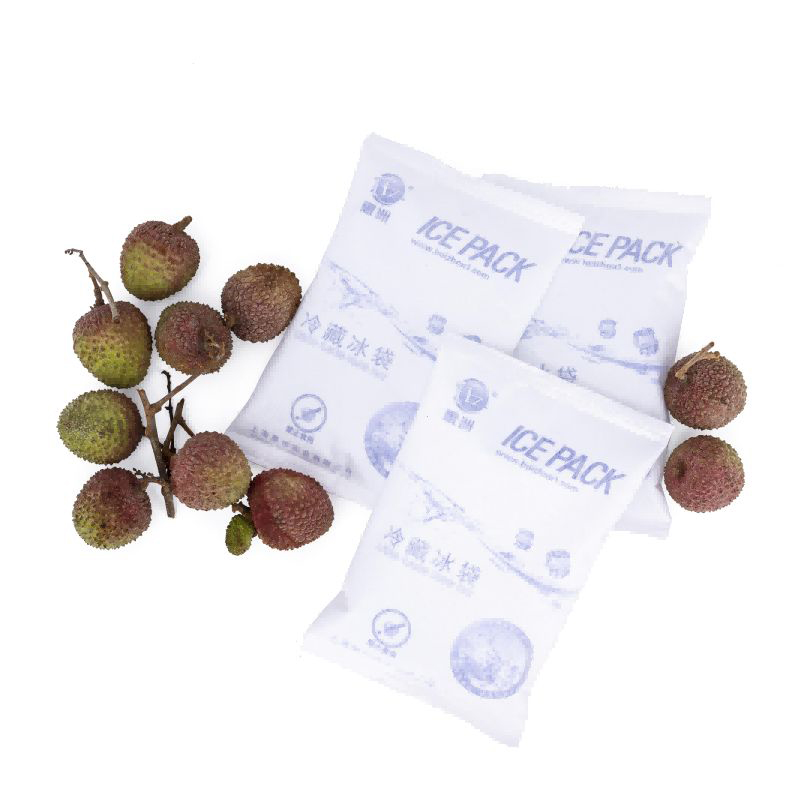
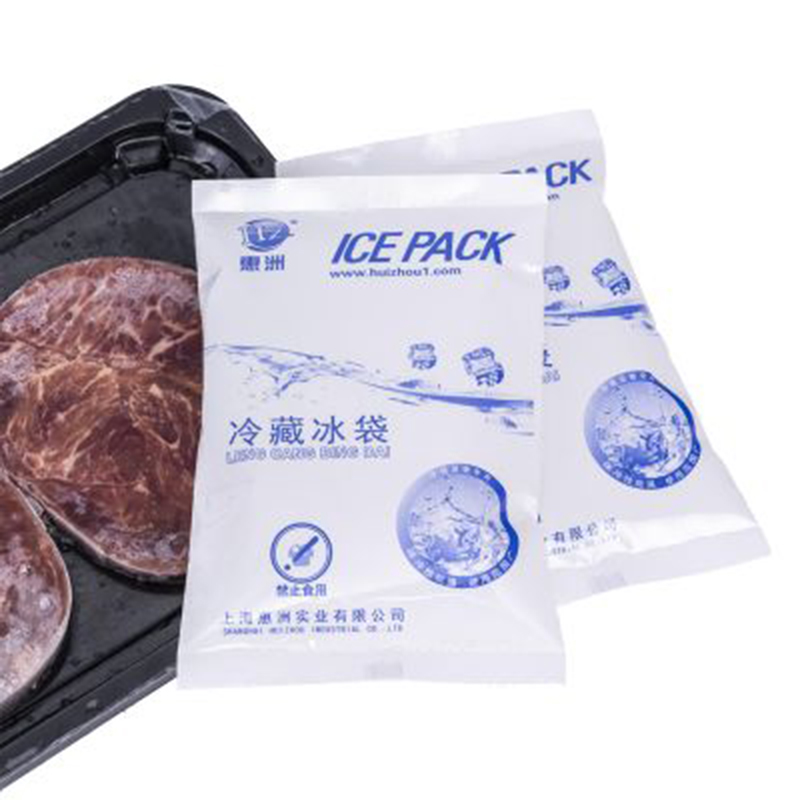
Flexible pouch format
Supports close placement around products and efficient use of available internal space.
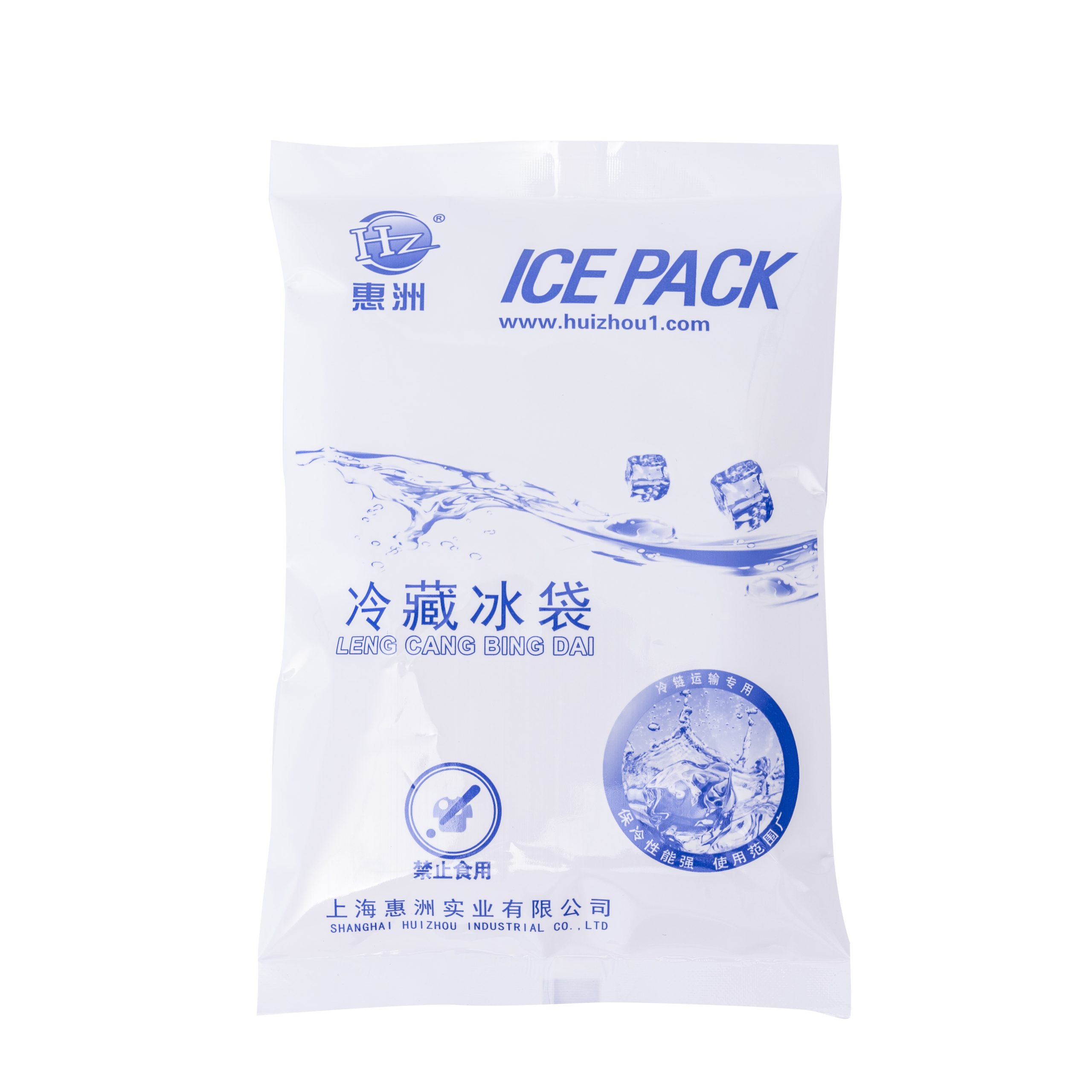
Ice Pack · Gel Ice Pack
A flexible gel coolant pack for chilled and frozen food distribution in insulated packaging. Compare the six reference fill weights, available pouch constructions and project-specific phase-change material (PCM) options, then select the configuration for the intended packout.
Product Overview
The flexible pouch can be positioned around payloads inside insulated shippers, cooler boxes, thermal bags or liners. Final formulation, dimensions, tolerances and case pack are confirmed for the selected configuration.
Supports close placement around products and efficient use of available internal space.
Reference configurations span nominal fill weights from 45 g to 2,000 g for different layouts.
Pouch constructions are listed as reference options; confirm the selected film structure before ordering.
A rounded profile can be reviewed where frozen pouch corners may contact insulation or payload.
Recondition for reuse only when the exact model has documented cycle-life and inspection criteria.
Dimensions, fill format and artwork can be reviewed for original equipment manufacturer or private-label projects.
Product Parameters
Product Specifications
Use these reference values to select a starting configuration. Final formulation, pouch construction, dimensions, tolerances and carton packing are confirmed before sampling or production.
| Filled weight | External size | Product format |
|---|---|---|
| 45 g | 10.5 × 7.5 cm | Flexible sealed pouch |
| 100 g | 13 × 8 cm | Flexible sealed pouch |
| 250 g | 18 × 11 cm | Flexible sealed pouch |
| 500 g | 22 × 14.5 cm | Flexible sealed pouch |
| 750 g | 24 × 14.5 cm | Flexible sealed pouch |
| 2,000 g | 32 × 29.5 cm | Flexible sealed pouch |
Use & Packout
Use the gel coolant as part of a defined passive packout. Formulation, quantity and placement should match the payload temperature, insulated package, ambient profile and expected transit duration.
Match the nominal phase-change temperature and pack size to the payload, insulation, route and required temperature condition.
Pre-condition each pack using the equipment, set point and time confirmed for the selected formulation.
Minimize staging time and, where a documented packout has been established, follow its specified coolant quantity and placement. Otherwise validate the arrangement before shipment use.
Reuse only when supplier documentation for the exact model confirms cycle-life and inspection limits. Follow that procedure and remove any damaged, swollen or leaking pack from service.
Complete shipping system performance
Confirm the minimum and maximum product load, coolant quantity and pre-freezing or conditioning method, insulated shipper, ambient-temperature profile for the shipping lane and transit duration in a defined complete-packout thermal test or qualification protocol.
These references explain industry qualification and transport practices. They do not certify this product or replace testing of your complete packout. Using an ISTA 7E profile alone does not constitute ISTA certification.
The range runs from 45 g micro-packs for small chilled items up to 2000 g packs for large food cartons, so a programme can be built from a single family with a consistent fill and freeze process.
Any length and width combination within the 10.5 × 7.5 cm to 32 × 29.5 cm envelope can be produced, letting the pack be sized to a specific carton floor or wall rather than to a standard size.
PE is used for straightforward chilled service, PE/PA where frozen packs take abrasion against carton edges, PE/PET for high-clarity printed surfaces, and laminated non-woven where a soft, non-abrasive face is needed against the product.
Artwork, batch coding and handling instructions can be printed on the film, and each fill weight in the family can carry its own weight marking for easy picking in the warehouse.
Gel firmness and colour are set per SKU, allowing one family to serve both soft wrap-around packs and flat freezer-plate formats.
Project Configuration
Share the usable internal space, payload requirement, pouch presentation and expected order volume. Standard formats or a project-specific configuration can be reviewed for technical and manufacturing feasibility.
Product Documents
Available documents vary by model, material construction and coolant formulation. Ask us to confirm the files available for your quotation or sample.
Dimensions, weight or capacity, material construction, conditioning instructions and carton-packing data for the selected model.
Handling and disposal information for the selected coolant formulation, where applicable.
Product dimensions, artwork area and carton data for the selected model.
Frequently Asked Questions
Use these answers for initial selection. For ordering and packout setup, follow the specifications and instructions confirmed for your model.
Start with payload mass and dimensions, starting temperature, insulation, route, target product-temperature range and transit time. Size, quantity and placement should then be reviewed as part of the complete packout.
No stand-alone coolant pack defines every shipment result. Duration depends on insulation, payload, coolant arrangement, starting conditions, ambient profile and packing procedure.
Not necessarily. They are product-family options. Confirm the exact combination, tolerance and availability for the selected configuration before packout use.
Only when supplier documentation for the exact model confirms reuse and its cycle-life limits. Follow the documented conditioning and inspection procedure, and remove any damaged, swollen or leaking pack.
Quote & Sample Request
Share the information below so our team can recommend a suitable product configuration.
Selected product
We will review a standard or custom configuration after receiving your project details.
Our response will cover the selected model, available documents and sample options.