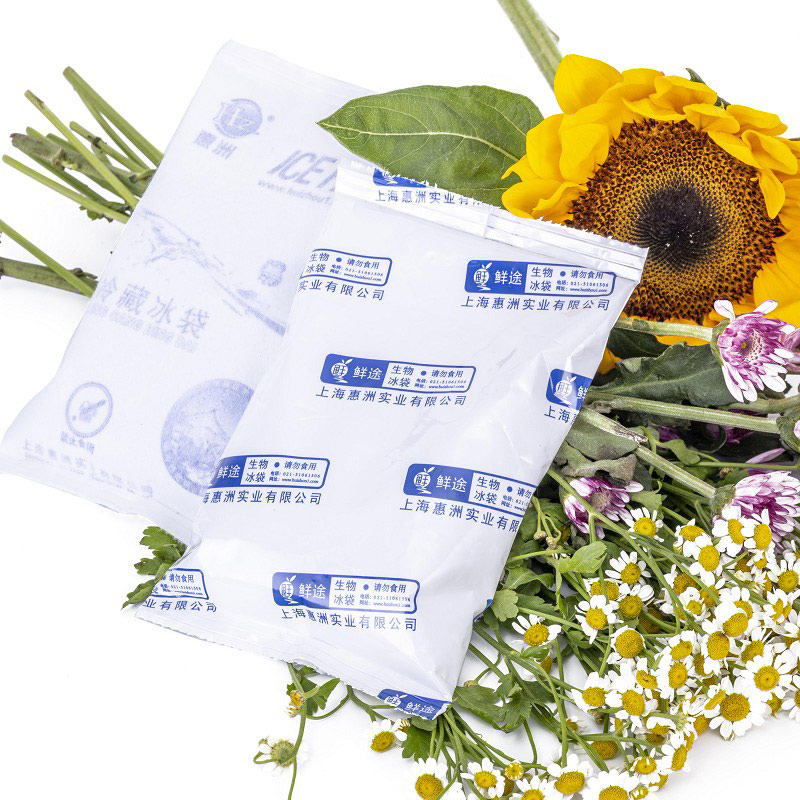
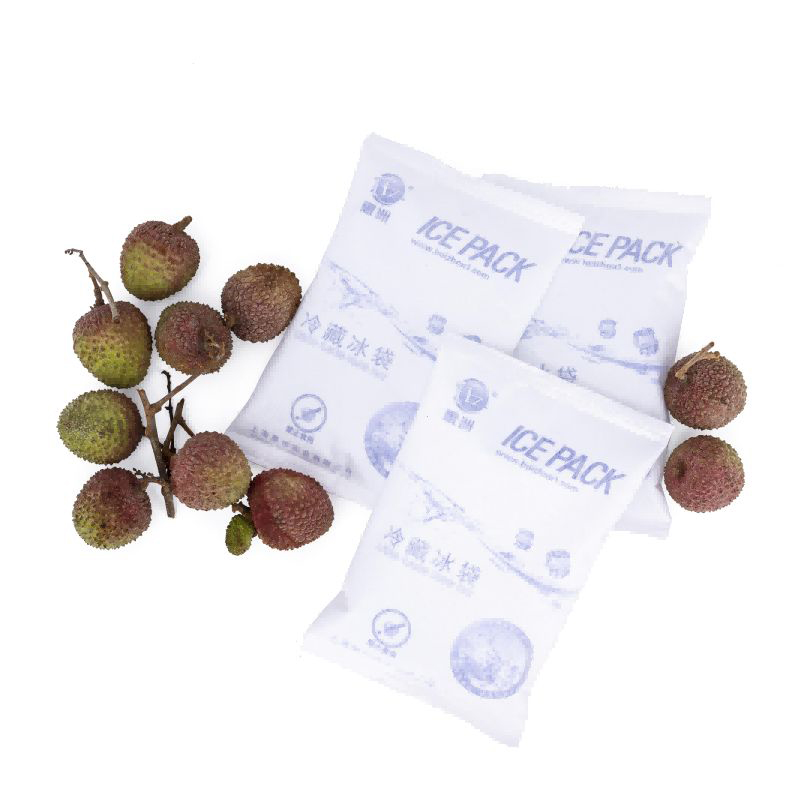
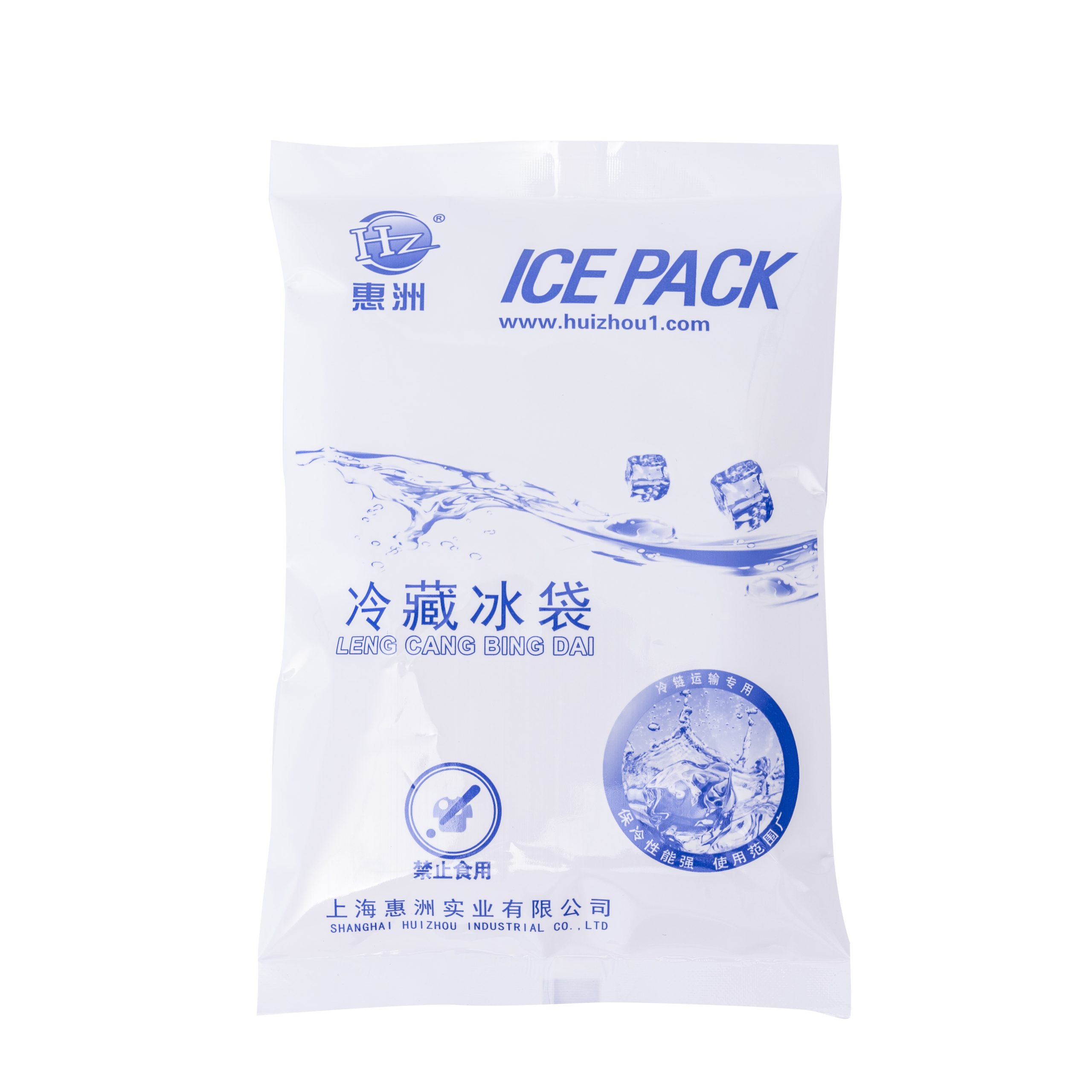
250 g format
Reference external size: 18 × 11 cm; confirm dimensional tolerance on the product drawing.
Ice Pack · Gel Ice Pack
Two flexible gel-pack formats for insulated food shipments: nominal 250 g and 500 g. Confirm pouch construction, phase-change material (PCM) formulation, dimensions, tolerances and reuse limits for the selected configuration. A packout is the complete arrangement of the product load (payload), coolant and insulation inside the shipper. Conditioning means pre-freezing or bringing the coolant to its required starting state. An ambient-temperature profile describes route and seasonal temperature exposure on the shipping lane.
Product Overview
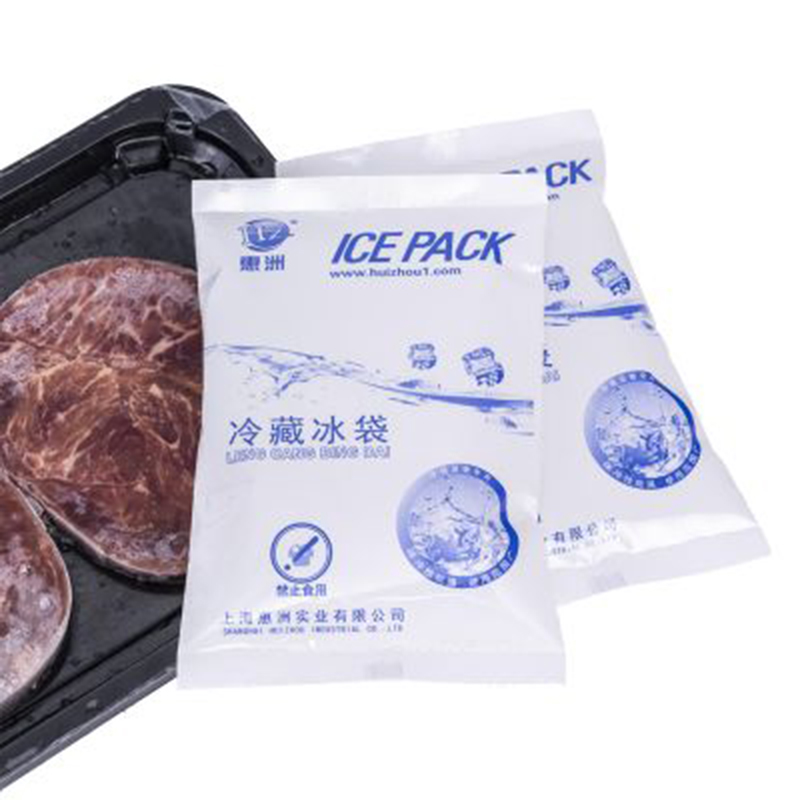
These two flexible sealed-pouch formats support placement around food product loads where the final coolant quantity and arrangement are defined by the complete insulated shipping system.
Reference external size: 18 × 11 cm; confirm dimensional tolerance on the product drawing.
Reference external size: 22 × 14.5 cm; confirm dimensional tolerance on the product drawing.
Pouch geometry supports side, top or distributed placement where the qualified arrangement permits.
Material, formulation, tolerances and case pack are tied to the approved quotation.
Product Parameters
Product Specifications
Compare the two reference formats below, then confirm pouch construction, filled-weight tolerance, phase-change material, dimensions and carton packing for the selected configuration.
| Filled weight | External size | Product format |
|---|---|---|
| 250 g | 18 × 11 cm | Flexible sealed pouch |
| 500 g | 22 × 14.5 cm | Flexible sealed pouch |
Use & Packout
Use the gel coolant as part of a defined passive packout. Formulation, quantity and placement should match the payload temperature, insulated package, ambient profile and expected transit duration.
Match the nominal phase-change temperature and pack size to the payload, insulation, route and required temperature condition.
Pre-condition each pack using the equipment, set point and time confirmed for the selected formulation.
Minimize staging time and, where a documented packout has been established, follow its specified coolant quantity and placement. Otherwise validate the arrangement before shipment use.
Reuse only when supplier documentation for the exact model confirms cycle-life and inspection limits. Follow that procedure and remove any damaged, swollen or leaking pack from service.
Complete shipping system performance
Confirm the minimum and maximum product load, coolant quantity and pre-freezing or conditioning method, insulated shipper, ambient-temperature profile for the shipping lane and transit duration in a defined complete-packout thermal test or qualification protocol.
These references explain industry qualification and transport practices. They do not certify this product or replace testing of your complete packout. Using an ISTA 7E profile alone does not constitute ISTA certification.
The two grades cover light parcel loads and mid-weight food cartons, with fill weight adjustable per SKU so a pack can be matched to the payload rather than over-specified.
Length and width can be set to the internal footprint of your shipping carton, including slim formats that sit along a carton wall or wide formats that cover the top of the load.
PE/PA film is selected where frozen loads and rough handling demand tear and puncture resistance; PE/PET is selected where a crisp print surface matters; PE with laminated non-woven gives a softer, matte finish with more grip against carton liners.
Customer artwork, handling text and food-contact guidance can be printed on the pack face, removing the need for a separate label on each pack.
Gel firmness is adjustable, from a soft, drapeable pack for wrapping product to a firmer pack that holds a flat shape in the carton.
Project Configuration
Provide the preferred size, payload, insulated shipper, required condition, quantity and artwork needs for a capability review.
Product Documents
Available documents vary by model, material construction and coolant formulation. Ask us to confirm the files available for your quotation or sample.
Dimensions, weight or capacity, material construction, conditioning instructions and carton-packing data for the selected model.
Handling and disposal information for the selected coolant formulation, where applicable.
Product dimensions, artwork area and carton data for the selected model.
Frequently Asked Questions
Use these answers for initial selection. For ordering and packout setup, follow the specifications and instructions confirmed for your model.
Start with payload mass and dimensions, starting temperature, insulation, route, target product-temperature range and transit time. Size, quantity and placement should then be reviewed as part of the complete packout.
No stand-alone coolant pack defines every shipment result. Duration depends on insulation, payload, coolant arrangement, starting conditions, ambient profile and packing procedure.
Not necessarily. They are product-family options. Confirm the exact combination, tolerance and availability for the selected configuration before packout use.
Only when supplier documentation for the exact model confirms reuse and its cycle-life limits. Follow the documented conditioning and inspection procedure, and remove any damaged, swollen or leaking pack.
Quote & Sample Request
Share the information below so our team can recommend a suitable product configuration.
Selected product
We will review a standard or custom configuration after receiving your project details.
Our response will cover the selected model, available documents and sample options.