
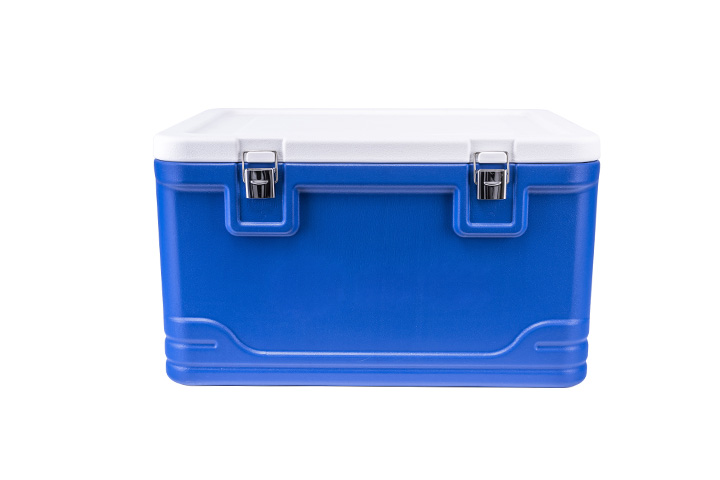
Scenario Guide to a stackable plastic tote solutions for biotech delivery
The search for a stackable plastic tote solutions for biotech delivery usually starts online, but the final decision is won or lost in the route. A page can promise stackability, ventilatie, thermische prestaties, or wholesale supply, yet the buyer still needs to know how the container behaves with real goods, real cleaning, real labels, and real handovers. Voor biotechoperatieteams, clinical supply buyers, lab managers, and quality or validation reviewers, this guide looks at the practical scenarios behind the purchase so the container decision fits operations rather than only search results.
Online supplier search hides the hardest questions
Search results make container sourcing look simple. You compare photos, afmetingen, color options, and a few claims, then ask for a quote. The missing part is use context. A plastic tote used for biotech delivery may be handled in wet rooms, koude kamers, import inspections, courier vans, luchthaventerminals, or return loops. Each environment changes what “good” means.
A plastic tote used for biotech delivery should be specified by function, not by name alone. In one project it may be a clean outer handling unit. In another it may be part of a passive thermal packout with insulation, koelmiddel, stuwmateriaal, etiketten, en een bewakingsapparaat. The distinction matters because a molded plastic shell can organize, protect, stapel, nest, or ventilate goods, but it does not prove temperature control by itself. Voor biotechoperatieteams, clinical supply buyers, lab managers, and quality or validation reviewers, the safest starting point is to write down the product condition, route, handover sequence, and acceptance evidence before comparing catalog descriptions.
The safest online evaluation method is to shortlist suppliers based on how clearly they define product boundaries. Do they say whether the unit is an outer handling container, een geïsoleerde verlader, a vented distribution bin, or a component of a larger packout? Do they explain what must still be verified by the buyer? Do they separate food, medisch, vaccin, laboratorium, and biotech uses instead of treating all cold-chain applications as the same? A supplier that draws boundaries is usually more useful than one that lists every possible industry without conditions.
Route pressure for biotech delivery
The most common failures are usually operational rather than dramatic. The plastic tote may be strong enough but awkward to clean. It may stack in the warehouse but become unstable when wet, loaded unevenly, or handled by a hurried dock team. It may hold a label on a dry sample yet lose traceability after condensation. In biotech delivery, the main risk profile includes mixing non-qualified handling containers with qualified temperature-controlled packaging, weak change control, poor label visibility, and hard-to-clean surfaces. A good specification turns those risks into visible checks: where labels go, how the lid closes, how the unit drains, how empties return, and what the receiving team must inspect before the goods are accepted.
Route pressure has three layers. The first is physical: gewicht, invloed, stapelen, trillingen, wet surfaces, en retourafhandeling. The second is thermal: omgevingsblootstelling, refrigeration performance, isolatie, koelmiddel, luchtstroom, and door-open events. The third is procedural: etiketten, records, acceptatiecontroles, schoonmaakstatus, and responsibility during handover. A container can help in all three layers, but it rarely solves all of them alone.
Biotech materials can be highly sensitive, but the required condition is product-specific. A plastic box or tote may support segregation and handling, while the qualified thermal system, koelmiddel, bewakingsapparaat, and approved procedure manage the actual temperature claim. This is why buyers should avoid treating the words temperature-controlled, thermisch, geïsoleerd, geventileerd, or stackable as proof of performance. The actual evidence comes from the full system: the container geometry, any insulation or coolant, the conditioning method, de lading, the ambient exposure, de routeduur, and the acceptance criteria. If the shipment is booked as time- and temperature-sensitive healthcare cargo, the label, documentatie, and responsibility between shipper, vervoerder, and receiver may also need review. Temperature data is useful only when the logger location, alarmlimieten, and retrieval process match the risk being managed.
For this reason, the best buyer questions are route questions. Where does the container wait? Who opens it? How long is it outside a controlled area? Does the receiver check product temperature, omgevingstemperatuur, loggergegevens, or only package condition? What happens to the empty unit? When a buyer can answer these questions, supplier comparison becomes more accurate.
Sustainability is a route calculation, geen slogan
Reusable plastic packaging can support waste reduction and better asset control, but only if the return loop works. A collapsible, opvouwbaar, nestable, or stackable design may reduce empty transport volume. A rigid industrial box may last longer in demanding handling. A vented bin may dry faster after cleaning. None of these features is automatically sustainable. The buyer needs to measure whether the packaging returns, reinigt, winkels, and redeploys reliably enough to justify reuse.
There is also a hygiene dimension. Reuse is valuable only when cleaned units are clearly separated from dirty returns and damaged units are removed from circulation. Bij eten, zuivel, vlees, medisch, laboratorium, vaccin, and biotech workflows, that separation can become more important than the carbon story. A reusable container that re-enters service dirty, verkeerd geëtiketteerd, or structurally damaged creates operational risk.
A practical sustainability review should include loss rate assumptions, schoonmaak arbeid, storage for empties, retourvracht, schade inspectie, and the number of lanes where the same design can be used without compromising quality. If those points are unknown, sustainability remains a promise, not an operational advantage.
What current buyers are asking suppliers to prove
| Buyer pressure | How it affects container choice | Useful response |
|---|---|---|
| Faster handovers | Etiketten, handvatten, sluitingen, and stacking must work under time pressure | Pilot the container at the dock or packing line, not only in an office |
| Meer documentatie | Quality teams ask for clearer evidence and revision control | Keep drawings, sample IDs, and supplier answers in one approval file |
| Retourefficiëntie | Empty volume, schoonmaakstatus, and asset tracking influence total cost | Evaluate nesting, vouwen, or collapsibility together with cleaning and durability |
| Sustainability scrutiny | Reusable packaging must prove operational value, not only greener language | Volg verlies, schade, schoonmaak inspanning, and route suitability |
| Temperature accountability | Receivers may ask for proof after delivery | Define monitoring responsibility and acceptance review before shipment |
These pressures do not require buyers to overcomplicate every purchase. They simply change the conversation from “what is the price per unit?” to “what evidence supports this unit in our workflow?” That is a healthier question for solutions projects because it protects the buyer from cheap options that fail during cleaning, ontvangen, or repeat use.
Cross-border, importeren, and delivery scenarios
When a container is used across borders or between independent organizations, packaging clarity becomes more important. The receiver may not know the supplier, the packer, or the original SOP. Labels must remain legible. The container should make contents identifiable without exposing them unnecessarily. If the goods require a temperature range, the monitoring plan should make the data accessible to the party responsible for release or acceptance.
Een verpakkingsoplossing nodig voor deze toepassing?
Per industrie
Blader door verpakkingspaden per farmaceutisch product, voedsel & logistieke toepassingen voor dranken en koelketens.
Ontdek oplossingenOp temperatuurbereik
Vind configuraties voor 2–8°C, 15–25°C en ≤−70°C-zendingen.
Bekijk temperatuurbereikenOfferte aanvragen
Stuur uw lading, route en wachttijd — we antwoorden met een packout-aanbeveling binnenin 24 uur.
Healthcare and pharmaceutical shipments may also involve time- and temperature-sensitive cargo practices, including labeling and acceptance checks when shipped through air cargo channels. Food shipments may involve sanitary transportation responsibilities, schriftelijke procedures, pre-cooling expectations, en verslagen. Laboratory and biotech shipments may involve internal SOPs, douane documentatie, product-specific stability information, or chain-of-custody expectations. In elk geval, the container is part of a larger control system.
Praktisch voorbeeld: comparing two suppliers from search results
Imagine a buyer comparing two suppliers for a stackable plastic tote. Supplier A has a lower price and attractive photos. Supplier B asks for the route, lading, reinigingsmethode, and temperature role before quoting. In eerste instantie, Supplier B seems slower. But that slower conversation may reveal whether the unit needs venting, isolatie, a stronger lid, a different label zone, or a documented sample revision. If the buyer plans bulk ordering, those questions are not delays; they are risk filters.
A typical scenario may look like this: A biotech team may need industrial or stackable totes to organize sealed reagent kits between cold storage and courier pickup, while a separate validated packout protects any material with a defined range. In die situatie, the best container is not automatically the thickest, most insulated, or cheapest unit. The better choice is the one that aligns the route, productgevoeligheid, reinigingsproces, zichtbaarheid van het etiket, en inspectie ontvangen. Als de goederen een gedefinieerd temperatuurbereik vereisen, the buyer should also decide how the approved packout will be monitored and who reviews deviations.
A good online sourcing process should therefore include a short technical screening form. It can ask for intended use, goods format, temperatuur vereiste, loaded weight, interne afmetingen, reinigingsmethode, return expectation, and required documents. Suppliers who answer clearly can move to sample stage. Suppliers who answer only with general claims should remain early-stage options until the buyer has better evidence.
How to build a first RFQ that gets useful answers
A strong RFQ for a stackable plastic tote solutions for biotech delivery should describe the problem you are trying to prevent. Instead of writing only “send price for 600 X 400 mm stackable crate,” write that the container will hold sealed goods, travel through a chilled staging area, be washed after return, stack on pallets, and require label visibility at receiving. Als het temperatuurgevoelige goederen betreft, state whether the container is expected to maintain temperature, support airflow, hold an insulated liner, or simply move goods inside a controlled area.
The RFQ should also ask suppliers to mark what is confirmed and what must be tested. That distinction encourages honest answers. It also helps your team avoid treating a marketing phrase as a verified parameter. If the supplier cannot provide a test report or route-relevant evidence, the claim can still be explored during a pilot, but it should not be written into the approval file as fact.
Veelgestelde vragen
Why do similar plastic containers perform differently in real routes?
Small design differences can affect cleaning, stapelen, luchtstroom, etikettering, and handling speed. Materiaal, wall taper, rim strength, deksel past, vent pattern, and surface finish all matter once the container is wet, koud, geladen, or returned. A photo comparison rarely shows these differences.
Are reusable plastic containers always cheaper over time?
Niet altijd. Reuse can lower waste and improve asset control, but only when the return loop works. Schoonmaak, verlies, schade, opslag, omgekeerde logistiek, and inspection all influence the real cost. Buyers should evaluate total operating fit rather than only unit price.
What should a supplier website tell me?
A useful supplier page should explain intended use, product boundary, aanpassingsmogelijkheden, material and handling considerations, and the documents available for review. It should avoid claiming universal compliance or universal temperature performance. Broad claims without conditions should lead to follow-up questions.
How should I handle sustainability claims?
Ask how the claim applies to your route. Does the packaging return? How is it cleaned? How often is it damaged or lost? Does the design reduce empty freight? Reusable or recyclable language is not enough by itself. Sustainability needs an operating model.
When should I move from online search to sample testing?
Move to sample testing once a supplier understands your use case and can provide enough information for a meaningful trial. The sample should be tested under realistic loading, schoonmaak, etikettering, stapelen, en ontvangstvoorwaarden. If temperature performance is involved, use route-relevant criteria rather than a generic claim.
Conclusie
A stackable plastic tote solutions for biotech delivery should be judged by scenario fit. Online search can help you build a shortlist, but route pressure, schoonmaak realiteit, temperature accountability, documentatie, and return logistics decide whether the choice works. The strongest procurement process asks suppliers to define boundaries, provide evidence, and support a realistic pilot before the order scales.
Over Huizhou
Huizhou works with cold-chain packaging products such as gel ice packs, droogijspakketten, EPP geïsoleerde dozen, koude verzenddozen, geïsoleerde voeringen, thermische zakken, pallethoezen, en aanverwante verpakkingsmaterialen. For buyers evaluating plastic tote options for biotech delivery, our role is to help connect the container discussion with the wider cold-chain system: cooling media, isolatie, route pressure, afhandeling van de werkstroom, en documentatieverwachtingen. We avoid treating one product name as a universal answer because temperature-sensitive logistics depends on the product, route, lading, and approval process.