
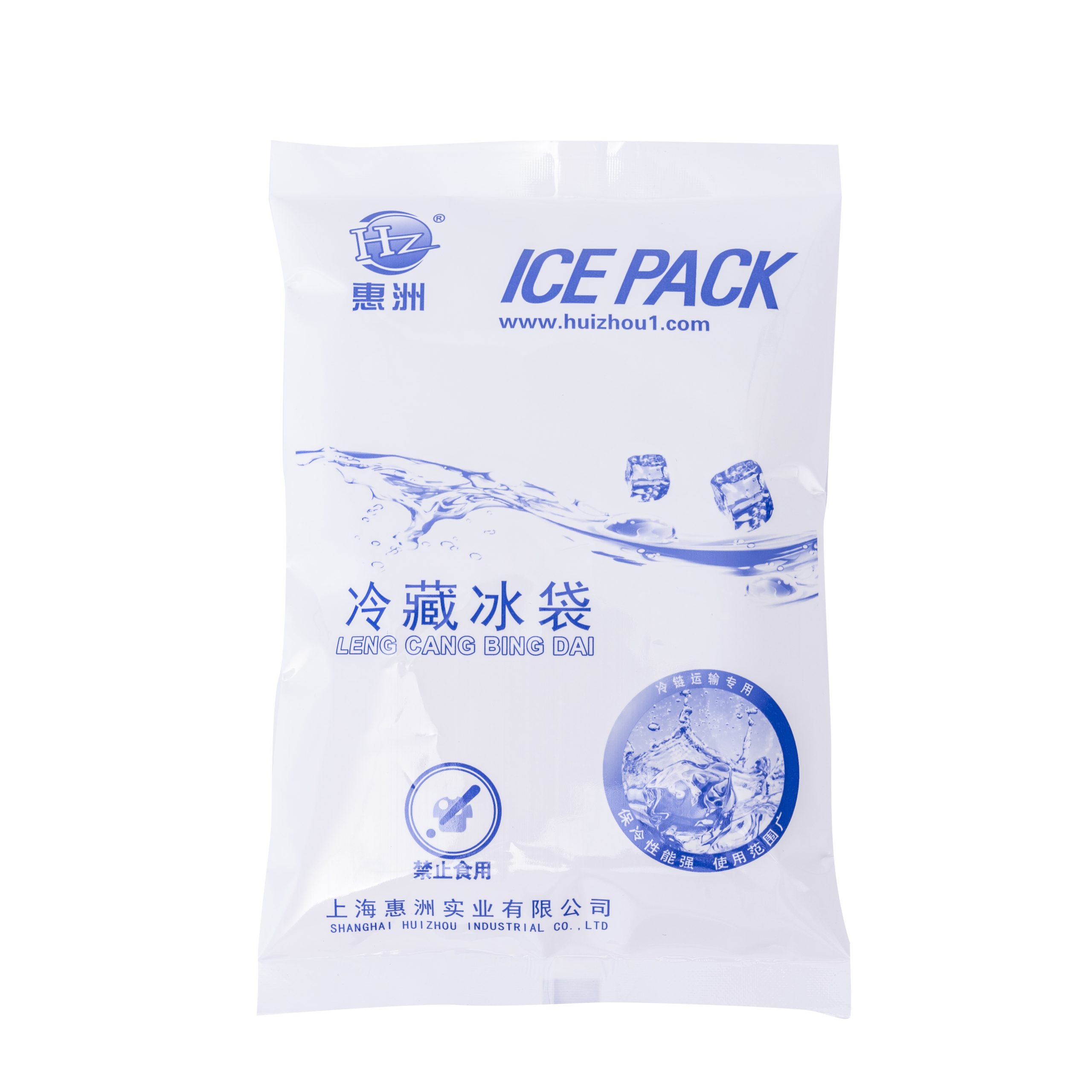
Refrigerated Gel Pouch Spain Market Shifts in 2026
What looked like a commodity category a few years ago now behaves more like a strategic sourcing decision, especially when routes are variable and customers ask harder questions. In Spain, summer profiles and packaging tax exposure can change the true cost of a pouch program more than the invoice price suggests. You also need to think about Spain and Iberian distribution lanes, where handling style, ambient exposure, and warehouse practice can change the result far more than a generic brochure suggests. Spain has applied a tax on non-reusable plastic packaging at EUR 0.45 per kilogram since 2023, so packaging composition directly affects landed cost. For healthcare channels, EU GDP expectations still apply, meaning products must be kept in the right conditions throughout storage and transport and documentation has to be available. This guide turns that complexity into plain-language decisions so you can compare offers, validate the right lane, and build a program that works for Spanish wholesalers, food exporters, pharmacies, healthcare distributors, and temperature-sensitive e-commerce brands.
This article will help you answer:
Why demand for refrigerated gel pouch is changing across domestic chilled distribution and summer-sensitive retail replenishment.
How regulation, sustainability, and customer expectations are changing supplier selection.
How to qualify a Spain wholesale without wasting time on weak samples or vague claims.
Which packaging, conditioning, and placement choices reduce leaks, excursions, and avoidable waste.
What 2026 market and policy changes mean for cost, documentation, and sustainability.
Why is the market around refrigerated gel pouch changing so fast?
The EU Packaging and Packaging Waste Regulation entered into force on 11 February 2025 and generally applies from 12 August 2026. That is pushing Spanish buyers to ask harder questions about reusable formats, material data, pack weight, and end-of-life handling instead of buying on unit price alone. Spanish buyers now treat packaging material choice as a sourcing, tax, and sustainability decision at the same time.
For wholesale programs, consistency matters more than a one-time bargain. You need stable quality, realistic MOQs, clear stock planning, and predictable replenishment. That is especially true when the refrigerated gel pouch also affects freight cost, storage volume, disposal cost, or tax exposure. A stronger supply partner helps you simplify SKU count, standardize route rules, reduce emergency buys, and keep account-specific exceptions from taking over the operation.
Current market table
| Use case | Operational pressure | Best-fit approach | Why it matters |
| Domestic chilled distribution | Higher service expectations and less tolerance for excursions | Validated lane families with a smaller SKU set | You improve execution and buying discipline together. |
| Iberian cross-border shipping | More handling variation and cost scrutiny | Right-sized coolant and clearer route rules | You cut waste without pretending all routes are the same. |
| Summer-sensitive retail replenishment | Policy and documentation pressure | Better material data and stronger supplier records | You answer customer questions faster. |
How are regulation, sustainability, and customer expectations changing?
Regulation changes the shortlist because documented control is part of risk management. Spain has applied a tax on non-reusable plastic packaging at EUR 0.45 per kilogram since 2023, so packaging composition directly affects landed cost. For healthcare channels, EU GDP expectations still apply, meaning products must be kept in the right conditions throughout storage and transport and documentation has to be available. That means a supplier with clear instructions, better records, and route-specific logic is often the lower-risk choice even if the unit price is not the lowest on the page.
Sustainability is moving from marketing language to procurement criterion in 2026. Buyers now ask whether the format is reusable, how much plastic it contains, whether a lighter version can do the same job, and what end-of-life handling will look like. A sensible sustainability answer does not mean choosing the thinnest or cheapest pack. It means cutting avoidable weight, reducing single-use waste where practical, and using documented material choices that fit the lane. Spanish buyers now treat packaging material choice as a sourcing, tax, and sustainability decision at the same time.
In practical terms, buyers no longer reward a supplier for having the most SKUs. They reward a supplier for showing cleaner documentation, simpler pack families, and realistic advice about where a lighter or more reusable option does and does not make sense.
How should suppliers and distributors respond?
For wholesale programs, consistency matters more than a one-time bargain. You need stable quality, realistic MOQs, clear stock planning, and predictable replenishment. That is especially true when the refrigerated gel pouch also affects freight cost, storage volume, disposal cost, or tax exposure. A stronger supply partner helps you simplify SKU count, standardize route rules, reduce emergency buys, and keep account-specific exceptions from taking over the operation.
A useful final discipline is to keep post-launch feedback tied to route data. When a shipment succeeds or fails, record the lane, ambient conditions, pack count, pack placement, and any packaging revision so the next decision is based on evidence instead of memory. That habit is especially valuable for Spanish wholesalers, food exporters, pharmacies, healthcare distributors, and temperature-sensitive e-commerce brands, because cold-chain programs often look stable until one season, one new route, or one product-mix change exposes a weak assumption. A simple feedback loop makes the next packaging round sharper.
2026 supplier scorecard
| Control point | What to ask | What good looks like | Why it matters |
| Temperature fit | Which lanes is the design truly suited for? | The answer references a real range and a real lane type. | You avoid buying a pack that is strong but wrong. |
| Production control | How are quality and fill consistency managed? | Documented checks and realistic tolerance. | You reduce lot-to-lot surprises. |
| Validation support | Can the supplier show warm and cool profiles? | Yes, with a clear method and practical conditioning guidance. | You judge claims on evidence. |
| Supply resilience | Where is stock held and what happens in spikes? | Named stock strategy and credible lead times. | You avoid scrambling during peak demand. |
| Material strategy | What can be documented about film, plastic, reuse, or disposal? | Clear, specific data. | You support procurement and sustainability review. |
What market signals should buyers watch next?
Faster replenishment often matters more than another tiny hold-time claim.
Policy pressure now changes landed cost as well as brand perception.
Route-specific validation is replacing generic category claims.
Documentation quality is becoming a visible sales advantage.
Need a Packaging Solution for This Application?
By Industry
Browse packaging paths by pharmaceutical, food & beverage and cold chain logistics applications.
Explore solutionsBy Temperature Range
Find configurations for 2–8°C, 15–25°C and ≤−70°C shipments.
View temperature rangesGet a Quote
Send your payload, route and holding time — we reply with a packout recommendation within 24 hours.
Case snapshot: One Spain wholesale standardized a smaller set of refrigerated gel pouch sizes around actual route families instead of customer-by-customer guesswork. That cut packing complexity, improved arrival consistency, and reduced emergency overpacking when ambient conditions became more difficult.
The strongest 2026 programs combine thermal performance, documentation, and a simpler operating model. That is how buyers reduce overpacking and exceptions instead of solving every problem by adding more coolant.
Sustainability is moving from marketing language to procurement criterion in 2026. Buyers now ask whether the format is reusable, how much plastic it contains, whether a lighter version can do the same job, and what end-of-life handling will look like. A sensible sustainability answer does not mean choosing the thinnest or cheapest pack. It means cutting avoidable weight, reducing single-use waste where practical, and using documented material choices that fit the lane. Spanish buyers now treat packaging material choice as a sourcing, tax, and sustainability decision at the same time.
For wholesale programs, consistency matters more than a one-time bargain. You need stable quality, realistic MOQs, clear stock planning, and predictable replenishment. That is especially true when the refrigerated gel pouch also affects freight cost, storage volume, disposal cost, or tax exposure. A stronger supply partner helps you simplify SKU count, standardize route rules, reduce emergency buys, and keep account-specific exceptions from taking over the operation.
A useful final discipline is to keep post-launch feedback tied to route data. When a shipment succeeds or fails, record the lane, ambient conditions, pack count, pack placement, and any packaging revision so the next decision is based on evidence instead of memory. That habit is especially valuable for Spanish wholesalers, food exporters, pharmacies, healthcare distributors, and temperature-sensitive e-commerce brands, because cold-chain programs often look stable until one season, one new route, or one product-mix change exposes a weak assumption. A simple feedback loop makes the next packaging round sharper.
Frequently asked questions
Why should Spanish buyers model plastic tax in gel-pouch sourcing?
Because Spain taxes non-reusable plastic packaging by weight, so the real cost can differ meaningfully from the invoice price if the pouch uses more taxable plastic.
Does summer validation matter more in Spain?
Yes. Hot-weather performance can differ sharply from spring or shoulder-season results, so a pouch should be tested in realistic summer profiles before rollout.
What should healthcare buyers in Spain ask for?
They should ask for GDP-ready handling logic, usable records, route-specific validation, and clear documentation that supports audit review.
How is 2026 changing pouch selection in Spain?
PPWR-related questions and packaging-cost scrutiny are pushing buyers to look beyond unit price and ask for better material, reuse, and disposal data.
Can one pouch design work for every Iberian lane?
Sometimes, but only if the validation covers the different dwell times, ambient conditions, and service variability across those routes.
Summary and recommendation
The best refrigerated gel pouch decision is rarely the one with the most cold mass or the lowest line-item price. It is the one that fits the route, protects the payload, supports clear operating rules, and gives you documentation you can actually use. If you define the temperature target first, validate the lane honestly, and score suppliers on more than price, you will make a better long-term decision.
Your next step should be simple: shortlist the routes that matter most, request comparable technical and supply information, and run one controlled pilot. That approach gives you evidence fast and keeps procurement, operations, and QA aligned.
About Huizhou
At Huizhou, we focus on practical cold-chain packaging for food, healthcare, and other temperature-sensitive distribution needs. We work on stable gel formulation, reliable seals, custom sizing, and route-based validation support so buyers can match the pack to the lane instead of guessing.
If you need help comparing formats, refining pack placement, or building a simpler pilot plan, we can help you turn route data into a clearer packaging decision.