
Where Gel Refrigerant Bag Fits in Modern Ice Cream Distribution
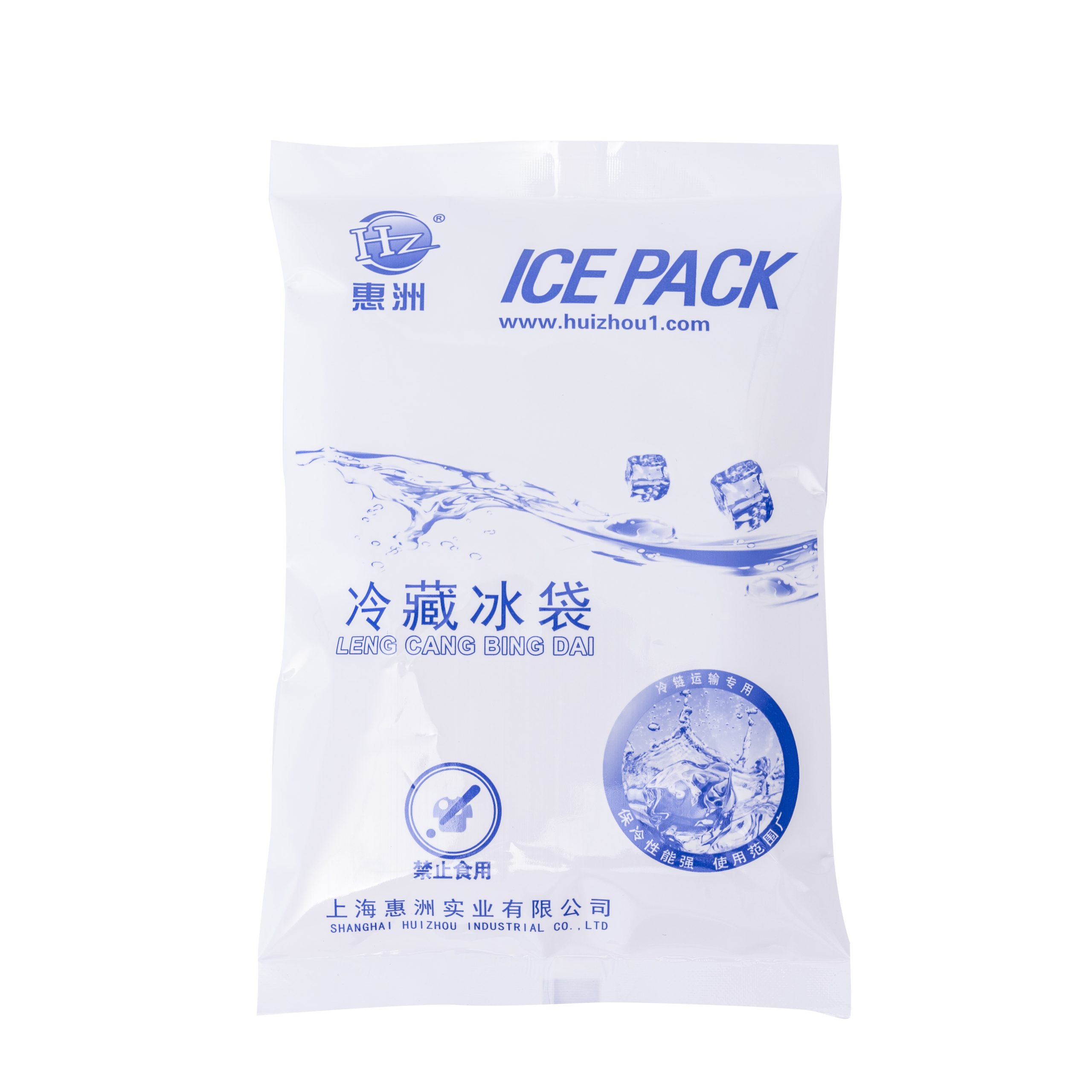
Ice cream buyers searching wholesale gel refrigerant bags usually want a simpler alternative to dry ice. Sometimes that works, but only when the route, insulation, and exposure profile are genuinely short and controlled. That practical need is also why the market has shifted toward better sourcing questions instead of generic product comparisons.
A gel refrigerant bag can support some short frozen dessert movements, but buyers should be realistic: for many parcel and warm-weather ice cream routes, dry ice or another stronger frozen strategy is still more appropriate. Gel refrigerants become more relevant when the route is short, the insulated system is strong, or the product is moving through controlled local and regional handoffs rather than long parcel exposure. That is also why today’s market conversation has shifted away from buying a generic cold source and toward sourcing a system component that fits the lane, the product, and the receiving workflow.
Why Buyers Are Looking at It Now
Frozen dessert brands are experimenting with alternatives where dry ice is operationally inconvenient, expensive, or undesirable for customer handling. That has created interest in gel-based systems for short urban distribution, click-and-collect support, and certain regional handoffs, though not as a universal replacement for dry ice. Current buyer conversations in this segment often revolve around some frozen dessert brands use gel-based systems for short urban and regional handoffs where dry ice is operationally inconvenient; hybrid systems that combine better insulation with smarter refrigerant placement are reducing blind overpacking; and buyers increasingly want honest route-fit advice rather than generic frozen claims.
Market strategy now matters more than it did a few years ago because buyers are balancing cost, resilience, and speed of change. Some programs want domestic or regional stock for agility, while others keep a custom format in offshore production and protect service levels with backup inventory. The stronger sourcing plan is the one that supports the product specification through seasonal demand swings and supply disruptions.
Real-World Use Cases in the Current Market
A same-day urban dessert delivery program may tolerate a gel-based system with strong insulation. A weekend parcel shipment across hot regions probably needs a stronger frozen strategy. The correct refrigerant depends on the true exposure window, not just the freezer temperature at dispatch.
In many cases, gel refrigerant bags are most useful where teams need a cold source that can be placed repeatably, handled cleanly, and scaled across multiple shipments. Typical payloads include pints, novelty bars, single-serve cups, frozen desserts, and short-haul frozen promotions. That does not mean every payload needs the same pack. It means the format can be adapted if the buyer defines the route and product constraints clearly.
The route risks buyers usually need to plan for include temperature rise above the frozen threshold, underestimating parcel dwell time, warm-climate exposure, choosing gel for lanes that really need dry ice, and condensation or soggy branded cartons.
How Sourcing Priorities Are Changing
Frozen dessert brands are experimenting with alternatives where dry ice is operationally inconvenient, expensive, or undesirable for customer handling. That has created interest in gel-based systems for short urban distribution, click-and-collect support, and certain regional handoffs, though not as a universal replacement for dry ice.
On the sustainability and operations side, buyers often value that using only the refrigerant required for the real route reduces waste and freight weight; improved insulation can cut total refrigerant mass; and failed frozen deliveries are operationally and environmentally expensive, so honesty beats greenwashing. In practice, buyers increasingly evaluate total operational impact: freight weight, storage space in the freezer, ease of receiving, waste handling, and the risk of product loss if the route becomes unstable. A more durable or better-targeted pack can sometimes cost more upfront while still lowering the true cost of the shipping program.
Unit price is only one part of the economics. A larger or cheaper pack may increase freight cost, reduce product payload, slow packing lines, or create more waste at receiving. By contrast, a better-fitting pack can sometimes lower total cost because it reduces product loss, avoids overpacking, and simplifies handling. Good supplier conversations therefore compare total cost of use, not only the price per pack.
A Practical Supplier Shortlist
Bulk buying looks simple until replenishment, lot variation, and seasonal demand expose the gaps in the original specification. The most useful questions are the ones that connect product design, operational handling, and supply reliability.
Before placing a bulk order, buyers should translate the shipping problem into a written packaging brief. That brief should cover the target temperature band, payload type, shipper dimensions, expected transit time, ambient stress, loading sequence, and receiving conditions. Once those points are written down, discussions about MOQ, tooling, warehousing, or price become much more productive because everyone is talking about the same technical target.
Confirm internal and external dimensions after freezing, not only nominal dimensions at room temperature.
Ask for fill weight tolerance, usable cold mass, and the target conditioning method before shipment.
Verify the resin or film structure, seam design, and leak-resistance expectations under real handling stress.
Check how the pack fits the insulated shipper, including wall coverage, lid interference, and product separation.
Review stackability, nesting, and return efficiency if the pack will be used in reusable programs or tote loops.
Ask how labels, barcodes, date coding, or lot traceability are applied and controlled.
Need a Packaging Solution for This Application?
By Industry
Browse packaging paths by pharmaceutical, food & beverage and cold chain logistics applications.
Explore solutionsBy Temperature Range
Find configurations for 2–8°C, 15–25°C and ≤−70°C shipments.
View temperature rangesGet a Quote
Send your payload, route and holding time — we reply with a packout recommendation within 24 hours.
Request evidence that sample quality matches production quality, including any change-control process for materials or dimensions.
Check MOQ, lead time, and custom options only after the technical fit is clear, so commercial convenience does not override route suitability.
Ask the wholesaler to show when gel is realistic by route length and insulation type, and when dry ice is the better answer.
Check whether the bag is intended as the primary frozen refrigerant or as a buffer in a hybrid pack-out.
Request no-sweat or moisture-managed options if branded cartons matter.
What Smart Buyers Avoid
The common mistake is to compare gel bags and dry ice only on unit price. For frozen desserts, the cost of failure, customer complaints, and product spoilage often matters more than the refrigerant line item alone.
Seasonality is another reason not to freeze the specification in place and forget about it. Many routes need a different pack count, conditioning method, or shipper configuration in peak summer than they do in mild weather. A supplier that can support seasonal adjustments without losing consistency is often more valuable than one that sells a single stock pack very cheaply.
Once a pack has been approved, change control becomes crucial. Small differences in film supplier, gel ratio, fill volume, printing layout, or manufacturing line settings can alter dimensions, leak resistance, or packing behavior. Professional suppliers document those changes and communicate them before they affect live shipments.
Operational Details That Should Not Be Ignored
Origin workflow should be checked before commercial approval. If operators need to pick frozen packs from multiple freezers, wait for staging, and then build cartons across several benches, the process itself may warm the refrigerant unevenly. A format that is technically correct but operationally awkward often creates variability in live shipments.
Storage and freezer capacity should also be considered early. A program that looks attractive on paper can become difficult if the pack footprint wastes freezer space, requires long conditioning times, or needs more staging area than the site can support. Operational fit at origin is part of product fit.
Receiving conditions matter more than many buyers expect. If cartons are opened in a hot dock, left on the floor before inspection, or repacked at room temperature, the chosen refrigerant has to compensate for operational variability as well as transit exposure. That is why procurement, operations, and quality teams should review the destination workflow together instead of treating the refrigerant as a purchasing-only decision.
Contingency planning should be discussed before the first large purchase order. If demand spikes, weather interrupts transport, or a material change requires re-approval, the buyer should know whether backup stock, alternate warehouses, or substitute formats are available. Supply resilience is part of product suitability.
Sample approval should follow a sequence: bench review, freeze-and-fit check, shipment trial, and then production confirmation. Skipping straight from a room-temperature sample to a large order is risky because some packs behave very differently once frozen, loaded, and exposed to transit stress.
The strongest programs are usually cross-functional. Procurement may lead the sourcing process, but packaging engineers, operations staff, quality teams, and receiving locations often see different risks. Bringing those views together early helps prevent a technically acceptable pack from becoming an operational frustration.
Palletization and outer-carton behavior can also influence the right choice. When cartons are tightly stacked, sidewall compression, lid pressure, and reduced airflow may change the way frozen packs sit and thaw. That is another reason to evaluate the refrigerant inside the actual shipping unit rather than as a standalone item.
Where product risk is high, buyers should move from screening to qualification in stages: first confirm the physical specification, then trial the pack-out under expected conditions, and only then scale volume. That sequence reduces the chance of locking in a commercial agreement around a refrigerant that looked good in isolation but performs poorly in the finished shipper.
End-of-life handling is part of the buyer experience as well. Receivers may care whether the pack can be reused, how much liquid is left at disposal, and whether drainage or waste handling becomes a nuisance in the receiving area. Those details rarely appear at the top of a quotation sheet, yet they strongly influence supplier satisfaction after rollout.
Practical Format Comparison
| Option | Typical Fit | Advantage | Main Caution |
|---|---|---|---|
| Standard gel refrigerant bag | Short local chilled-frozen support | Simpler handling than dry ice | Limited for longer frozen routes |
| Heavy gel brick or multiple gels | Shorter controlled frozen handoffs | More thermal mass and placement options | Still may be insufficient in warm parcel lanes |
| Dry ice | Longer frozen parcel and deep-frozen needs | Strong frozen-state performance | Handling and ventilation requirements |
| Hybrid insulated system with gels | Controlled regional programs | Can reduce operational friction | Needs careful route qualification |
Market Takeaway
In today’s market, buyers get better results when they treat gel refrigerant bag as part of a sourcing and operations strategy, not just as a consumable. Route fit, supply resilience, and cleaner end-use handling increasingly shape the purchase decision.
About Huizhou
At Huizhou, we focus on temperature-control packaging for cold-chain shipping. Founded in 2011 as a brand of Shanghai Huizhou Industrial, we offer gel packs, dry ice packs, insulated boxes, and route-fit cold-chain packaging for food and frozen shipping. Our development work is supported by an R&D center operating with CNAS and ISTA-aligned practices, and our manufacturing network includes ISO-certified facilities in China. That mix helps us support both standard supply and custom pack formats for temperature-sensitive distribution.
Next step: If you are comparing options, share your target temperature range, transit time, shipper size, and handling conditions before you place a volume order.