
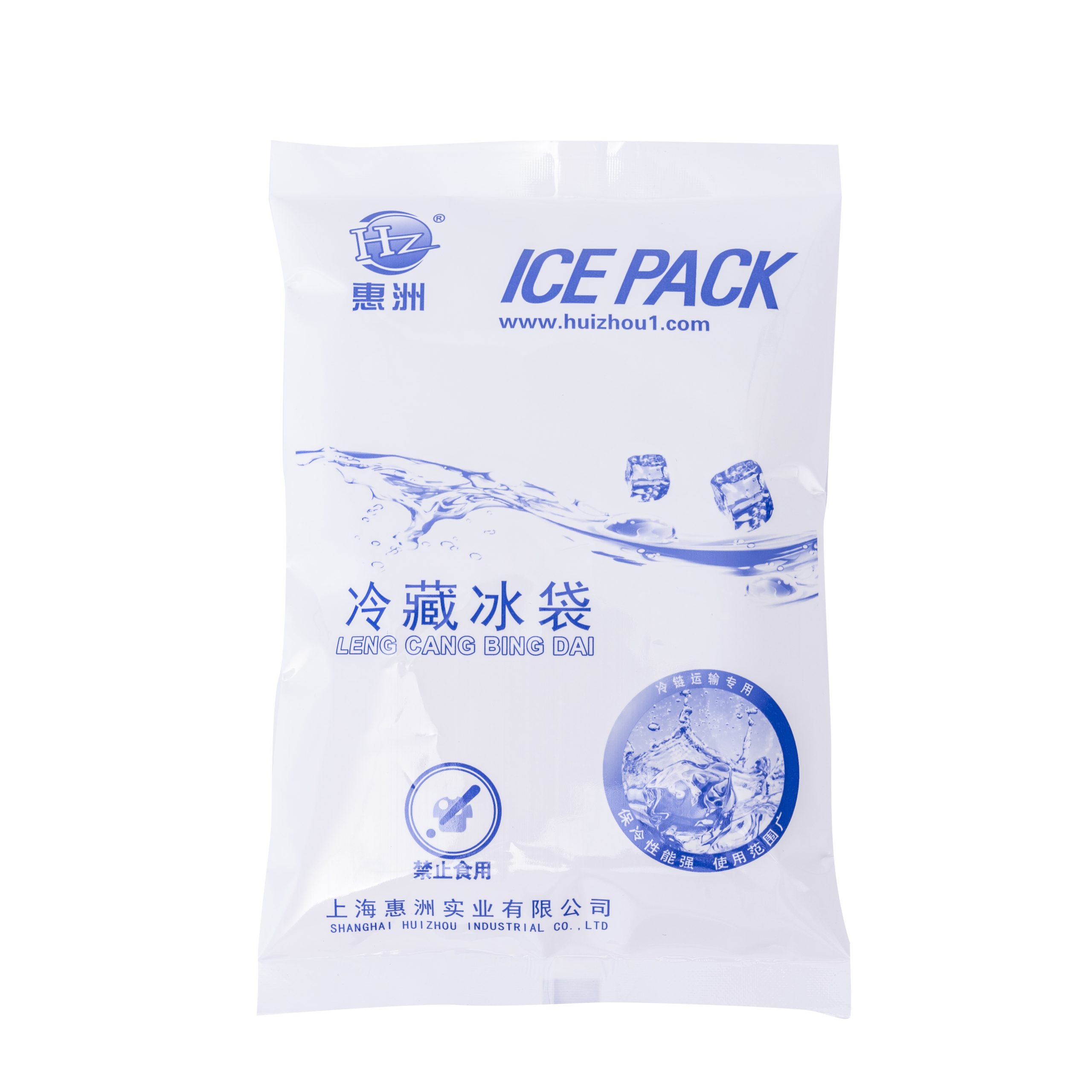
Gel Ice Blanket Meal Kit Wholesale in Practice: Where It Fits and How Buyers Are Sourcing It
The conversation around gel ice blanket meal kit wholesale has become more practical in recent years because buyers are weighing route reliability, labor, waste, and end-user handling together.
For meal kit operations teams, sourcing managers, and packaging buyers, that shift matters because the purchase is no longer judged only by a nominal hold time or a price per unit. It is judged by how well the format supports keep proteins, dairy, sauces, and produce cold from packout through doorstep delivery without slowing the line or creating avoidable customer waste, how easy it is to operate, and how much waste or rework it creates once the program is live.
In meal-kit logistics, a gel ice blanket is usually a linked sheet of refrigerant cells rather than a single pillow pack. The linked design matters because it wraps or drapes around trays, pouches, or ingredient bundles more evenly, which helps reduce hot spots inside a shallow carton. Buyers often choose this format when assembly speed, flat storage, and tight pack geometry matter as much as raw cooling capacity.
What has changed in real sourcing conversations
Meal-kit cold chain buying has shifted from a narrow cost-per-pack discussion to a fuller landed-cost discussion. Buyers now look at freezer staging labor, line speed, spoilage claims, condensation damage, disposal complaints, and cube utilization together. A low-cost blanket that creates repeated delivery complaints can easily become the expensive choice.
Sustainability pressure is also changing the format mix. Some programs still favor reusable poly gel packs because they are durable and familiar. Others are testing drain-friendly fills, fiber-based outers, or lower-waste pack geometries because the consumer now sees the packaging as part of the product experience.
Another market pressure is the search for alternatives or complements to dry ice in routes that do not truly need frozen conditions. Across cold-chain packaging more broadly, suppliers are investing in better insulation, PCMs, and reusable solutions as shippers try to manage safety, cost, and packaging waste at the same time.
Meal-kit buyers now look beyond carton cost and refrigerant unit price. They are also paying attention to freezer staging labor, packing speed, spoilage complaints, condensation damage, and the receiver’s disposal experience. In practice, the lowest-priced blanket is not always the lowest-cost decision once refunds, replacements, and customer-service friction are included.
There is also more pressure to reduce waste without weakening food safety. That is why sourcing conversations increasingly cover drain-friendly fills, lighter pack geometries, reusable formats, and better carton efficiency. The right choice depends on the lane, the product mix, and how the customer actually handles the packaging after delivery.
Real-world application scenarios
In the field, buyers usually learn the most by looking at real operating scenarios rather than by comparing generic claims. The examples below reflect the patterns that commonly shape sourcing decisions in meal kit delivery and direct-to-consumer chilled food shipping.
Fast meal-kit assembly lines
Meal-kit teams like blanket formats because they are easy to stage in stacks, quick to grab at the line, and less awkward than loose small packs when workers need to hit a high carton-per-minute target. A linked sheet can often be placed in one motion under or over a bundle of ingredients, which improves consistency between shifts.
The real benefit is repeatability. If every carton receives the same blanket orientation, same pre-conditioning method, and same number of refrigerants, your thermal performance is easier to map and your returns investigation becomes much cleaner.
Shallow cartons with mixed ingredients
A blanket works well when you have flat proteins, dairy cups, dressings, and produce sharing one box. Instead of cooling only one edge of the payload, the blanket creates broader contact coverage. That can be helpful in cartons where the product stack is low and lateral heat gain is a bigger issue than vertical stacking pressure.
It is less ideal when the payload has large void spaces, very tall packs, or a frozen requirement that demands a colder refrigerant strategy. In those cases, a rigid brick or a different PCM format may hold shape and energy longer.
Customer-facing last mile
Meal kits are unusual because the receiver is a consumer, not a trained warehouse team. That changes the buying criteria. Disposal instructions, surface condensation, leak resistance, and how easy the pack is to reuse at home all influence brand perception.
This is why some meal-kit brands ask about drain-friendly fills, curbside-recyclable outer formats, or anti-condensation exteriors. Thermal performance still comes first, but receiver experience is no longer optional.
The trade-offs buyers notice after launch
Sustainability is rarely solved by one packaging attribute. A lighter or more easily disposed pack may reduce receiver frustration, but the environmental result can worsen if damage rates rise or if extra packs are needed to compensate. Likewise, a reusable format can be attractive on paper but disappointing if return logistics, inspection time, or wash-down energy make the loop inefficient. The best decisions compare waste, route reliability, labor, and product protection together.
The trade-offs are usually operational before they are financial. A pack that is awkward to freeze, stage, clean, or dispose of can quietly slow down the workflow. A pack that seems cheaper can become expensive when it drives spoilage, wet cartons, damaged paperwork, or extra customer-service work.
The most useful testing program for meal kits combines chamber work with live packouts. Chamber data helps you understand thermal reserve under repeatable hot and cold profiles, while live shipments reveal what really happens when proteins, produce, and inserts are packed at line speed and then handed to parcel networks with variable dwell times.
It is also worth separating summer, shoulder-season, and winter packouts. A configuration that passes comfortably in spring may be too light in a hot urban lane, and a configuration designed for peak summer may add unnecessary weight and freezer burden in cooler months. Good sourcing teams therefore qualify more than one packout pattern instead of betting on a single all-year layout.
What it can solve and what still needs system design
A gel ice blanket can be an excellent refrigerant format for chilled meal kits, but it is not the same thing as a fully qualified temperature-controlled shipping system. The blanket contributes cooling energy. The insulation, carton geometry, product loading pattern, starting product temperature, and last-mile exposure still determine whether proteins, dairy, sauces, and produce arrive in an acceptable condition.
That distinction matters in procurement. Buyers sometimes compare blanket SKUs in isolation, yet the real purchase decision is about system performance on a route. A pack that looks impressive in a supplier brochure may underperform if the carton has large voids, the payload is packed warm, or the doorstep dwell time is longer than the packout was designed to handle.
Need a Packaging Solution for This Application?
By Industry
Browse packaging paths by pharmaceutical, food & beverage and cold chain logistics applications.
Explore solutionsBy Temperature Range
Find configurations for 2–8°C, 15–25°C and ≤−70°C shipments.
View temperature rangesGet a Quote
Send your payload, route and holding time — we reply with a packout recommendation within 24 hours.
| Format | Best fit | Main strength | Main limitation | What buyers should verify |
| Linked gel blanket | High-speed meal-kit packout | Fast placement and broad coverage | Not the longest hold time in tall boxes | Cell layout, frozen thickness, pack orientation |
| Standard pillow gel pack | Simple chilled parcels | Low unit cost and many stock sizes | Can leave hot spots in flat cartons | Fill weight tolerance and seam strength |
| Rigid ice brick or brick-style pack | Longer routes or heavier payloads | Stable shape and stronger compression resistance | Takes more space and can be slower to place | Conditioning time and cube efficiency |
| Drain-friendly or consumer-disposal format | DTC programs with high return complaints about waste | Better end-user disposal experience | Claim must be supplier-specific, not generic | SDS, disposal instructions, and wastewater claim support |
Viewed this way, the format choice is part application mapping and part risk management. Buyers do better when they identify the lane or workflow that truly needs longer duration, tighter temperature control, cleaner handling, or a better receiver experience, and then source the pack accordingly.
How to shortlist suppliers for the next bid cycle
When meal kit operations teams, sourcing managers, and packaging buyers buy in volume, the best supplier conversation is detailed and specific. It should cover dimensions in conditioned use, material choice, closure or seam quality, handling stress, lot traceability, and the practical instructions needed for the people who will freeze, pack, move, clean, or receive the product. A short list built on those points is usually more reliable than a long list built only on price and MOQ.
Ask for conditioned dimensions, not just flat dimensions on an unfilled drawing. A blanket gets thicker when frozen, and that affects carton fit.
Confirm fill-weight tolerance and cell-to-cell consistency. Uneven cells change contact area and can create thermal bias across the meal kit.
Check the film structure and seal pattern. Meal kits see conveyor friction, drop handling, and compression under stacked boxes.
Ask how the supplier recommends freezing and staging the blankets. Poor conditioning instructions can ruin an otherwise good product.
If sustainability is part of the brief, separate reusable, recyclable, drain-friendly, and compostable claims. They are not interchangeable.
Request production-lot traceability and artwork control if you need printed instructions or brand messaging on the pack.
Validate sample-to-production consistency. The sample that fits perfectly is useless if production lots drift in thickness or fill distribution.
A good shortlist usually includes at least one supplier that is strong on standard production, one that is strong on custom development, and one that is strong on documentation or quality support. That mix helps buyers see whether they are really buying a commodity item or a route-specific solution.
What to review before the next launch or tender
Before the next RFQ or supplier review, it is useful to write down the failure modes that matter most in your program. That may be warm product, accidental freezing, wet cartons, stiff packs, leaks, cleanup burden, weak cycle life, poor lot traceability, or confusing disposal instructions. Once those are explicit, supplier comparison becomes more honest.
the actual chilled temperature window you need to protect, not just the word ‘cold’
the longest realistic transit plus doorstep exposure, including weather and carrier variability
carton geometry, product layout, and whether the blanket sits above, below, or around the payload
conditioning burden in your freezer room and how many frozen packs your line can stage per hour
receiver experience, including condensation, disposal, and the chance of reuse at home
For shipped food, the most useful public benchmark is outcome based: perishable products should arrive frozen, partially frozen, or at refrigerator temperature, generally 40°F or below. That requirement pushes buyers to validate the whole packaging system, not just the refrigerant sheet.
Qualification should mirror the lane you actually plan to run. That means defining the payload temperature at packout, the number and location of refrigerants, the insulation configuration, the expected transit duration, and the most credible exposure profile. Temperature loggers or other monitoring tools help confirm whether the packout protects the target range at the warmest and most vulnerable locations, not only at the geometric center of the shipper.
FAQ
Are gel ice blankets better than standard gel packs for meal kits?
Often yes, when the meal kit uses shallow cartons and mixed ingredients. The blanket format is faster to place and gives broader surface coverage. It is not automatically better for every route, especially when you need longer hold time or a frozen outcome.
Can I use any drain-safe gel blanket in a consumer food box?
No. Disposal claims are formulation-specific. Some packs are designed to disperse with running water, while typical gel fills may be better reused or discarded in the trash. Always follow the exact supplier instructions for the product you buy.
Should a meal-kit buyer choose reusable or single-use blankets?
That depends on the return model and consumer behavior. Reusable packs are practical when the receiver can keep and reuse them, but a single-use or drain-friendly option may create a better overall experience if returns and consumer storage are unrealistic.
What the market lesson is
For wholesale meal-kit buying, the right gel ice blanket is the one that fits your carton, your line speed, your door-to-door exposure, and your customer experience requirements. Good sourcing starts with the route and the payload, not the supplier catalog page.
The strongest procurement outcome usually comes from matching the refrigerant to the exact route or use case, then testing the result under realistic conditions, and finally choosing the supplier that can reproduce that result consistently. That approach is slower than buying by catalog description, but it is usually much cheaper than troubleshooting failures after launch.
About Huizhou
At Huizhou, we develop temperature-controlled packaging for fresh food and biopharma logistics, including gel ice packs, PCM-based refrigerants, insulated shippers, and custom packout solutions. Our website also shows in-house R&D and laboratory capability used to support packaging design and testing. For food programs, that matters because the pack choice has to work with the full shipping system, not only as a standalone item.
Next step
If you are planning a new packout or reviewing an existing one, ask for advice based on your target temperature, route duration, carton layout, and seasonal exposure.