
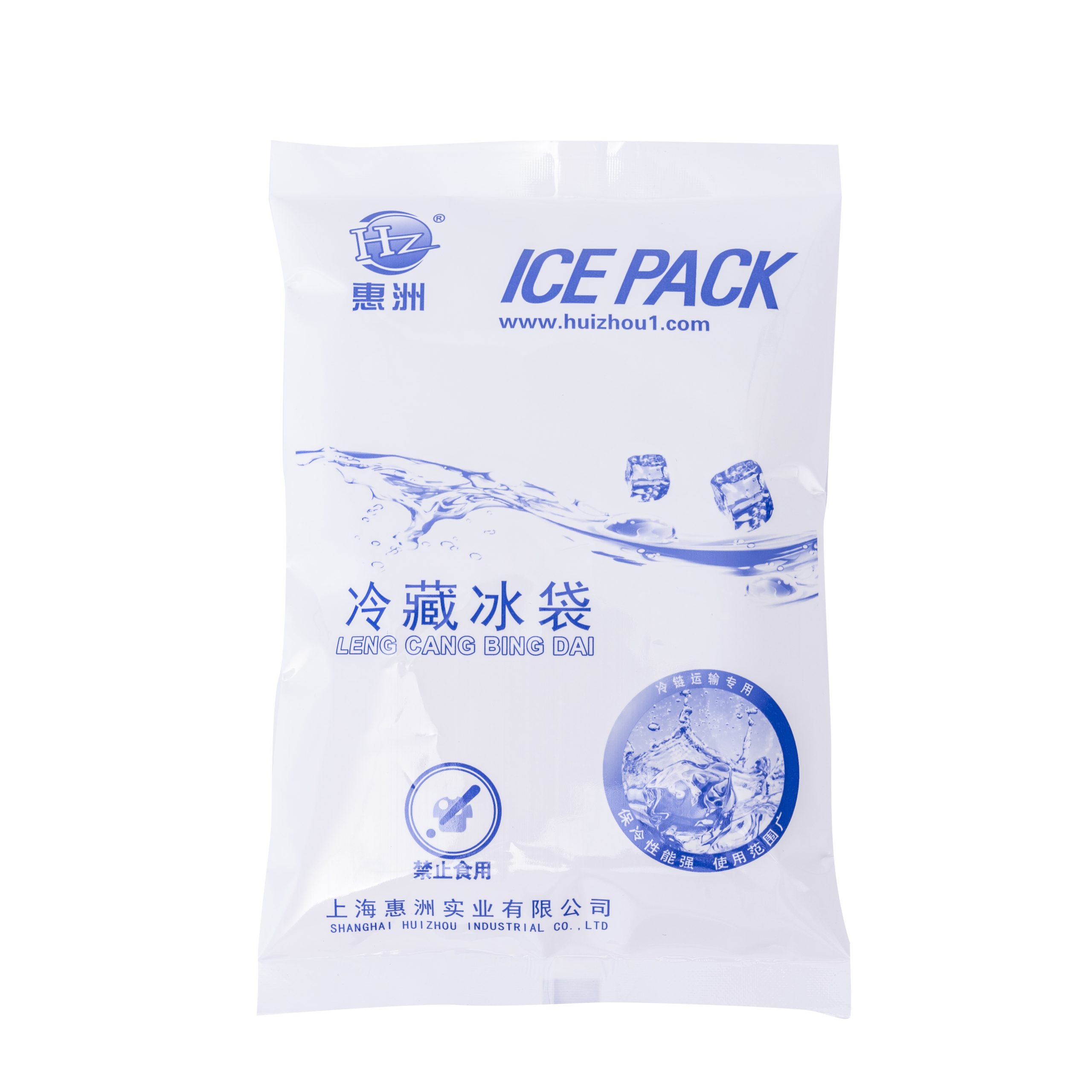
Gel Freezer Packs for Cosmetics Shipping: Applications, Supplier Trends, and Practical Fit
The market for gel freezer packs for cosmetics shipping is broader than it first appears. Buyers are no longer comparing cold packs only by weight or by the phrase ‘long lasting.’ They are asking how the pack fits actual shipping scenarios, what happens in hot-weather lanes, whether presentation stays clean on delivery, and how reliably the supplier can support scaling.
For cosmetics, that shift matters because operations have become more route specific. The same company may run overnight parcel, regional line-haul, local shuttle, and seasonal surge programs at the same time. A cold pack that looks universal in a catalog often turns out to be too bulky, too cold, too fragile, or simply too hard to stage on the line.
Cosmetics are not all true cold-chain products, but many formulas suffer from summer heat, prolonged parcel dwell, or temperature spikes that can separate emulsions, soften balms, distort sticks, or stress active ingredients. A freezer pack can help only when its temperature, placement, and condensation behavior match the formula. As a result, procurement teams increasingly shortlist suppliers that can connect performance to real operating conditions, not only to generic marketing claims.
How buyers now define the category
Across the market, buyers are sorting gel freezer pack for cosmetics shipping into more specific categories than they did a few years ago. Instead of treating all cold packs as interchangeable, they now separate standard gel pouches, slim inserts, rigid bricks, reusable formats, and PCM packs according to lane type, product risk, and packaging geometry.
That shift is healthy because it reflects how operations really work. A pack chosen for cosmetics has to do more than stay cold in isolation. It has to fit the box, pack quickly, survive handling, and arrive looking acceptable for the customer or receiver.
Where the market is using these packs now
In current operations, these packs are being chosen for distinct scenarios rather than as a generic cold accessory. That is changing how suppliers position their catalogs and how buyers shortlist them.
This scenario-based thinking is also why buyers are moving away from one-page supplier comparisons and toward lane-specific sourcing conversations.
Summer parcel protection for serums, creams, masks, and beauty tools. Here the pack is usually buffering heat risk and presentation risk at the same time, not acting as a heavy-duty pharmaceutical coolant.
Temperature-sensitive skin care lines with active ingredients or lower heat tolerance. Here the pack is usually buffering heat risk and presentation risk at the same time, not acting as a heavy-duty pharmaceutical coolant.
Subscription boxes and influencer kits where package appearance matters. Here the pack is usually buffering heat risk and presentation risk at the same time, not acting as a heavy-duty pharmaceutical coolant.
Regional fulfillment of premium cosmetics that cannot tolerate melt, leakage, or texture change. Here the pack is usually buffering heat risk and presentation risk at the same time, not acting as a heavy-duty pharmaceutical coolant.
Why format is becoming a buying decision
Format choice has become a practical market differentiator. Suppliers that only offer one or two generic pouch sizes are losing ground to those that can match pack shape to real shipping scenarios.
Many cosmetic shipments use water-based gel packs because they are familiar, easy to condition, and available in slim pouch formats.
For freeze-sensitive formulas, a PCM pack that changes phase above 0 C may be more appropriate than a standard hard-frozen gel pack.
Film choice affects feel, puncture resistance, and whether the cold pack looks premium or purely industrial.
The market is rewarding formats that reduce wasted cube, stage faster on the packing line, and generate fewer complaints about leaks or soggy presentation. Those are operational outcomes, not cosmetic details.
What the market now expects from thermal performance
One clear market shift is that buyers now ask for more route realism in thermal discussion. They want to know how the pack behaves after warehouse staging, during loading delays, inside last-mile vans, and at the receiver. A simple claim about long cold life is not enough.
This is especially true where the product target is heat protection or chilled transit depending on product sensitivity, often with caution against over-cooling. In these programs, the wrong refrigerant can be either too warm or too cold. As a result, suppliers that can explain conditioning, placement, and packout interaction in practical terms tend to stand out.
Cosmetics rarely need the same regulated cold-chain controls as vaccines or clinical samples, but brands still need a realistic temperature protection strategy for the actual shipping lane.
Claims about product stability should come from the cosmetic brand or formula owner, not from the coolant supplier alone.
Practical scenarios shaping supplier choice
The strongest supplier conversations today sound less like catalog reviews and more like route planning. These practical scenarios show why.
A vitamin C serum mailer may need only short-duration heat buffering in summer, not an aggressively frozen pack that chills the glass bottle far below the formula comfort zone.
A wax-based balm assortment can survive mild temperature swings but still arrive distorted if the box sits in a hot van. In that case, modest coolant plus good insulation can be more effective than oversized gel mass.
Many beauty brands split packouts by season rather than treating cosmetics as either ambient or full cold chain.
Sustainability and market direction
Sustainability discussion around gel freezer pack for cosmetics shipping is becoming more practical. Buyers are asking not only what the pack is made from, but also whether the format reduces box size, avoids reshipment, fits return loops, and cuts unnecessary cold mass.
Because beauty packaging is design driven, some brands prefer slimmer coolant, reduced box size, and reusable inserts over simply adding more cold mass.
Need a Packaging Solution for This Application?
By Industry
Browse packaging paths by pharmaceutical, food & beverage and cold chain logistics applications.
Explore solutionsBy Temperature Range
Find configurations for 2–8°C, 15–25°C and ≤−70°C shipments.
View temperature rangesGet a Quote
Send your payload, route and holding time — we reply with a packout recommendation within 24 hours.
Recyclability and recycled content are growing evaluation points, especially when they do not compromise appearance or leak resistance.
Beauty e-commerce has increased demand for cleaner-looking, lower-condensation coolant formats that protect appearance as well as product integrity.
How procurement teams are shortlisting suppliers
This is where procurement teams are becoming more demanding. They are not only requesting quotations; they are testing whether the supplier can support scaling, spec control, and operational clarity.
At minimum, your supplier review should cover internal and external dimensions, usable cold mass, material construction, conditioning method, stackability or storage efficiency, hygiene or cleanability where relevant, labeling and traceability support, and the consistency of sample-to-production output. If the supplier cannot answer those points clearly, the risk of expensive trial-and-error rises quickly.
Ask whether the manufacturer offers softer cold packs, PCM-style packs, or no-sweat options better suited to cosmetics than a hard-frozen standard pack. Teams that ignore this often discover problems only after volume ramps or seasonal pressure hits.
Check film clarity, seam quality, and leak resistance because cosmetic packaging is highly sensitive to presentation defects. Teams that ignore this often discover problems only after volume ramps or seasonal pressure hits.
Review thickness and flexibility so the pack works inside premium cartons without distorting inserts or causing closure problems. Teams that ignore this often discover problems only after volume ramps or seasonal pressure hits.
Request seasonal test samples using your real product load, not only an empty carton. Teams that ignore this often discover problems only after volume ramps or seasonal pressure hits.
Confirm whether the supplier can support private labeling, custom sizes, or color choices that fit branded unboxing programs. Teams that ignore this often discover problems only after volume ramps or seasonal pressure hits.
Ask how pack conditioning should change between mild and high-heat seasons. Teams that ignore this often discover problems only after volume ramps or seasonal pressure hits.
Where programs usually go wrong
In day-to-day operations, these are the issues that separate a clean launch from months of troubleshooting. They also explain why buyers are willing to pay more for reliability when the total cost of failure is high.
The strongest suppliers respond to these risks with clearer specifications, better application guidance, and fewer vague runtime claims.
A very cold pack can be the wrong choice for emulsions or formulas that should be kept cool but not exposed to freezing surfaces. In the market, this usually shows up as higher reship cost, more customer complaints, or unnecessary operational workarounds.
Condensation control matters because damp cartons and labels can damage brand presentation. In the market, this usually shows up as higher reship cost, more customer complaints, or unnecessary operational workarounds.
The right solution varies by formula, pack size, and lane. Many cosmetics need heat buffering rather than aggressive refrigeration. In the market, this usually shows up as higher reship cost, more customer complaints, or unnecessary operational workarounds.
FAQ
These are the questions buyers and operators still ask most often after the initial supplier search.
Do cosmetics always need freezer packs in summer?
No. Many need heat buffering rather than deep cooling. The right answer depends on formula sensitivity, transit time, and packaging design.
Can a colder pack damage cosmetics?
Yes. Some emulsions, masks, and active-rich products can suffer from over-cooling or direct contact with frozen surfaces.
What is the biggest sourcing mistake for cosmetic cold packs?
Using a generic pack without testing condensation, presentation, and actual formula response in the finished packout.
Final takeaways
The most effective way to source gel freezer packs for cosmetics shipping is to define the shipment first, then the refrigerant. Once you know the real temperature target, route exposure, packout geometry, and handling method, supplier comparison becomes much more precise.
For cosmetics, strong results usually come from packs that are easy to condition, consistent in size and fill, durable enough for the route, and honest about what they can and cannot do. That combination is usually more valuable than the most aggressive cold claim in the market.
Why buyers are asking for more realistic testing
Sample review should always move beyond a simple freeze-and-feel test. For cosmetics, the more useful approach is to test the pack in the actual shipper with real product or realistic payload substitutes, using the same conditioning window and loading pattern planned for live operations.
That kind of trial quickly shows whether the format is too bulky, too fragile, too cold at the start, or too inconsistent on the line. It also reveals practical details such as whether the pack interferes with closure, shifts in transit, or creates avoidable condensation at delivery.
When suppliers support this process well, they usually provide clearer conditioning instructions, more stable dimensions, and better alignment between sample material and production material. Those details reduce costly surprises later.
About Huizhou
At Huizhou, we focus on temperature-controlled packaging and cold-chain shipping materials. Founded in 2011, we offer products such as ice packs, ice bricks, dry ice packs, PCM materials, insulated bags, box liners, cooler boxes, and pallet covers for food and pharmaceutical logistics. We work with customers that need packaging matched to the actual temperature range, transit duration, and handling conditions of the shipment, with customization available when standard formats are not the best fit.
Next step
If you are comparing options for gel freezer pack for cosmetics shipping, ask us about your target temperature, transit duration, packout format, and bulk supply needs. We can help you narrow a practical packaging approach before you commit to a large order.