
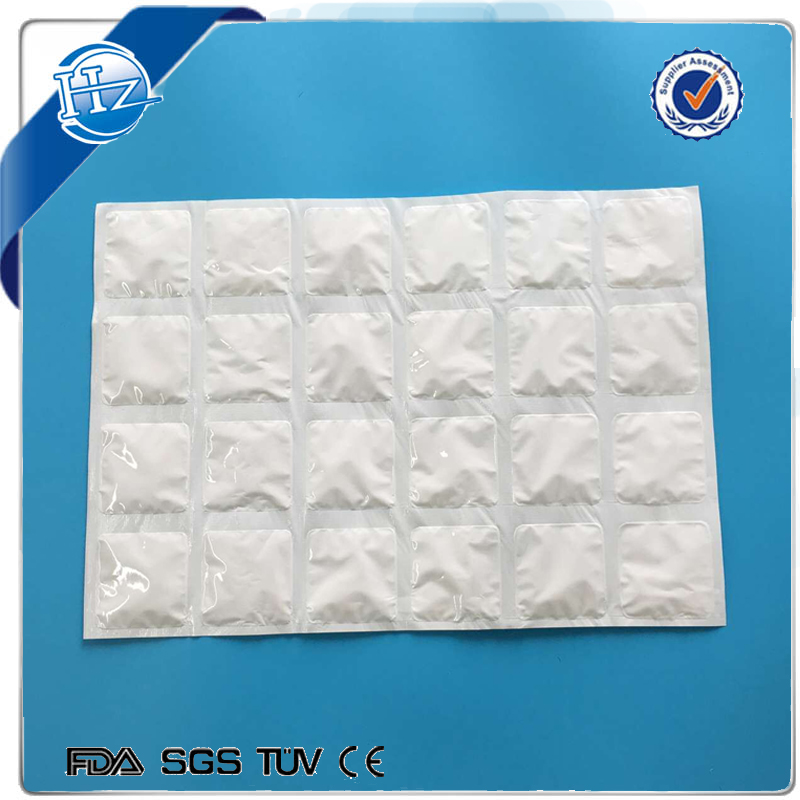
Manufacturer Dry Ice Pack for Biologic Packaging Across Real Scenarios
A manufacturer dry ice pack for biologic packaging may be suitable for one product and dangerous for the next. A frozen bulk intermediate, a freeze-sensitive injection, a cell-based therapy, and a Category B clinical specimen do not share one temperature, carico utile, contenimento, or transport rule. The practical trend in 2026 is toward narrower claims and stronger evidence: product labeling before coolant choice, mapped hot and cold risks, production-equivalent components, and planned excursion decisions. Sustainability is also moving from material slogans to system outcomes, including successful delivery, perdita di prodotto, energia condizionante, refrigerant use, e recupero.
A Scenario Map for Biologic Packaging
The table does not prescribe a refrigerant. It shows which question becomes decisive in each scenario.
| Scenario | First requirement to confirm | Packaging risk that is easy to miss | Likely evidence path |
|---|---|---|---|
| Freeze-sensitive finished biologic | Exact label and stability limits, including prohibited freezing | A frozen water-based pack or solid dry ice can create a local cold excursion | Minimum-payload cold profile, maximum-payload warm profile, mapped sensors, and operator pilot |
| Frozen bulk biologic or intermediate | Supported frozen transport condition and container-closure compatibility | Dry ice can embrittle secondary materials or create uneven exposure even when frozen transport is allowed | Low-temperature material study, vented thermal qualification, staffe di carico utile, and transport review |
| Cell or gene therapy shipment | Product-specific time, temperatura, orientamento, and handling constraints | Ritardo, vibrazione, trasferimento di custodia, or replenishment may be as important as ambient heat | Qualificazione della corsia, controlli della catena di custodia, real-time escalation where justified, e piano di emergenza |
| Commercial biologic in a reusable parcel network | Approved condition and repeat-route operating envelope | Perdita di rendimento, pulizia, condizionamento del liquido di raffreddamento, and component wear can erode repeatability | Reuse inspection, cleaning study, tracciamento del ciclo, route verification, e cambiare controllo |
| Campione clinico classificato come Categoria B | Correct UN 3373 classification and supported specimen condition | Coolant cannot substitute for primary, secondario, esterno rigido, assorbente, and marking requirements | Packing Instruction 650 or applicable national rules, dry-ice compliance, containment tests, e l'accettazione del vettore |
The same company may need more than one system. Segmenting by product and lane often produces a simpler, better-supported portfolio than forcing every biologic into a universal box.
Biologics Do Not Share One Cold Chain
FDA’s description of biologics covers products as varied as vaccines, blood components, proteins, cellule, tissues, and gene therapies. The scientific diversity is why generic statements such as “biologics ship refrigerated” or “biologics need dry ice” are unreliable.
Use the approved labeling and product-specific stability program as the first source of truth. Transport conditions may match long-term storage, or a supported transport range may differ. Some excursions may be acceptable when justified by data; others, such as freezing a product labeled not to freeze, may be critical. Packaging teams should not invent an excursion allowance to make a route pass.
Solid dry ice can support an appropriate frozen shipment, but its extreme cold is a hazard to products and materials that are not designed for it. A hydration coolant sheet marketed as a dry ice pack is different: it is hydrated and frozen water-based media. It may be a candidate for some passive configurations, but it cannot inherit solid dry-ice performance, classificazione dei trasporti, or gas hazards.
Even two refrigerated products may require different designs. One primary container may tolerate close coolant placement; another may need protection from cold surfaces and vibration. One label may allow a supported transport exposure; another may not. Product families must be justified by comparable stability, presentazione, carico utile, and packout behavior.
Follow the Failure Timeline, Not Only the Flight Time
The shipment clock begins before carrier pickup.
During component conditioning, freezers can be overloaded, gel packs can be stacked too tightly, hydration sheets can absorb inconsistent water, and PCMs can be only partly phased. Solid dry ice can lose mass while waiting in an inadequately controlled staging process.
Durante l'imballaggio, the product may remain outside controlled storage while operators assemble the system. A liner can shift, a coolant can contact the wrong surface, a monitor can be placed beside the refrigerant rather than at the mapped location, or a vent path can be sealed with tape.
During tender, dangerous-goods acceptance can delay a solid dry-ice package. An incorrect net quantity, obscured mark, damaged outer, or unapproved service can stop movement. A route plan that ignores acceptance time understates exposure.
Durante il trasferimento, packages experience vibration, compressione, cambiamenti di orientamento, and ambient conditions that may not match a published average. Dry ice dissipates and support structures must keep payload assemblies secure. A flexible coolant sheet can migrate if the packout does not restrain it.
Al ricevimento, delivery scans can precede controlled storage. The receiver may open solid dry ice in a small room, stop the logger incorrectly, discard data, or release product before excursion review. The qualified operating envelope must include this final handoff.
Plotting the timeline often reveals process fixes that reduce packaging burden: later dry-ice loading, protected staging, an earlier acceptance appointment, a simpler packout fixture, trained receiving coverage, or a faster disposition path.
Four 2026 Priorities for Manufacturer Evaluation
These priorities are useful without relying on speculative market-size forecasts.
Product claims are becoming more conditional
Buyers are asking “under which test conditions?” after every duration or temperature statement. They want payload, contenitore, profilo, stato iniziale, mappa dei sensori, e criteri di accettazione. A manufacturer that gives a qualified answer is more useful than one that gives a larger universal number.
Cold-side risk is receiving equal attention
Warm excursions have long dominated passive packaging discussions. Freeze-sensitive biologics make the opposite edge just as important. Carico utile minimo, cold ambient, contatto con il liquido di raffreddamento, and conditioning variation can produce failure even while average temperature looks acceptable.
Change notification is moving into technical sourcing
Procurement teams increasingly treat coolant film, formulazione, sigilli, isolamento, dimensioni, and manufacturing site as qualified attributes. A cost-driven substitution can affect a validated or qualified shipper. Quality agreements and purchase specifications therefore define notice, revisione, and traceability before change.
Monitoring is being connected to action
More data does not automatically improve control. Programs are defining who owns a monitor, dove è posizionato, when it is started and stopped, come vengono gestiti i fusi orari, when alerts escalate, and which stability expert decides disposition. The trend is from device deployment to a complete decision workflow.
Sustainability Requires a Successful-Delivery Denominator
Biologic products can be resource intensive and clinically important. A packaging reduction that increases excursion risk can move environmental impact from packaging material to product loss, rifornire, and urgent transport. The right unit of comparison is a successfully delivered, releasable product under equivalent requirements.
Solid dry ice is consumed. It sublimates and cannot be recovered after delivery. Its lifecycle assessment depends on carbon dioxide source, production and compression, trasporto, staging losses, quantità, and system boundary. Avoid calling it carbon neutral without a credible, specific assessment.
Hai bisogno di una soluzione di packaging per questa applicazione?
Per settore
Sfoglia i percorsi di confezionamento per settore farmaceutico, cibo & applicazioni logistiche per bevande e catena del freddo.
Esplora le soluzioniPer intervallo di temperatura
Trova configurazioni per 2–8°C, 15–25°C e ≤−70°Spedizioni C.
Visualizza gli intervalli di temperaturaRichiedi un preventivo
Invia il tuo carico utile, percorso e tempo di permanenza — rispondiamo con una raccomandazione per l'imballaggio all'interno 24 ore.
Hydration sheets, impacchi di gel, and PCMs use conditioning energy. Freezing equipment, modello di carico, storage time, and facility electricity affect impact. A sheet that stores compactly before hydration may reduce inbound volume but occupy more shipper space after conditioning.
Reusable systems depend on return. A durable box or coolant pack does not create reuse on its own. Distanza di ritorno, perdita, pulizia, ispezione, ricondizionamento, quarantine after damage, and retirement all matter. Closed, frequent lanes may support a return loop; a one-way global trial shipment may not.
Recyclability is local. A technically recyclable film, schiuma, or corrugated component may not enter a destination recovery stream, especially after pharmaceutical or biological use. Classificazione, contaminazione, patient privacy, and facility procedures can alter disposal.
Right-sizing must preserve qualification. Removing coolant or insulation without testing can increase product risk. The sustainable path is to measure current performance, identify excess or void, redesign, challenge both warm and cold profiles, and approve a new baseline.
A lifecycle dashboard can track packaging and refrigerant mass, energia condizionante, dry-ice staging loss, utilizzo del carico utile, ritorna, danno, escursioni, disposizione del prodotto, and expedited replacements. The dashboard should distinguish modeled assumptions from measured results.
Monitoraggio, Tracciabilità, and Excursion Decisions
A monitor is most useful when its data remain linked to the product, packout, e decisione.
Al momento dell'imballaggio, capture the device identifier, calibration or accuracy status, configurazione, identificativo della spedizione, lotti di componenti, payload bracket, registrazione del condizionamento, and operator. Activate the device under a controlled step and place it at the qualified location.
During movement, determine whether real-time visibility is necessary or whether a recording logger at receipt is sufficient. The answer depends on product criticality, intervention options, rischio del percorso, and quality strategy. A real-time alert that nobody can act on is not a control.
Al ricevimento, preserve chain of custody. Record external damage, umidità, remaining dry ice when relevant and safe to assess, condizione di tenuta, device status, and transfer time into controlled storage. Download data without overwriting or losing the original file.
If an excursion occurs, quarantine according to procedure. Quality review considers actual exposure, device evidence, product stability, cumulative history, primary-container condition, eventi del percorso, and any approved excursion assessment method. Neither a carrier’s “on time” scan nor residual refrigerant automatically releases the biologic.
Trend investigations across shipments. Repeated cold alarms at one sensor may indicate a packout geometry problem. Repeated warm events at a hub may indicate service or schedule risk. Repeated missing data may signal training or device workflow failure. Correct the system rather than treating each record in isolation.
A Hypothetical Network Redesign
Imagine a biologics company using one passive shipper for a refrigerated, freeze-sensitive product on domestic and international lanes. The box uses frozen gel bricks. The company wants to replace them with hydration sheets from a new manufacturer to reduce inbound storage volume.
The team first establishes a baseline: disposizione del prodotto, logger results, utilizzo del carico utile, manodopera di confezionamento, massa dei componenti, energia condizionante, danno, and lane delays. It reviews the approved label and stability data rather than assuming the current coolant defines the requirement.
Conditioned hydration sheets expand differently and create more surface contact than the bricks. Minimum-payload cold testing shows a cold-side risk on a direct domestic route, while maximum-payload hot testing reveals a warm corner on the longer international lane. A single substitution therefore cannot be approved.
Engineers develop a domestic configuration with a controlled separator and a separate international configuration with different placement and margin. Both use the same sheet specification only after production-equivalent samples pass seal, perdere, fisico, and thermal challenges. Sensor mapping establishes routine monitor locations.
Procurement negotiates lot identification and change notification. Operations validate hydration, condizionamento, messa in scena, and packing capacity. Quality defines the excursion workflow and approves route-specific SOPs. Sustainability comparison uses accepted deliveries, energia, confezione, e disposizione del prodotto, not just the dry size of the sheet.
This hypothetical redesign may or may not show a net improvement in practice. Its value is the method: establish the product requirement and baseline, test the conditioned component, segment lanes when needed, and measure the whole system.
Domande frequenti
Is solid dry ice more sustainable because it leaves no packaging waste?
That conclusion is incomplete. Dry ice leaves no refrigerant container at delivery, but it is consumed and has sourcing, produzione, trasporto, and sublimation losses. It may also require additional insulation or carrier handling. Compare it with alternatives per successful, releasable biologic delivery using a defined lifecycle boundary.
Can one hydration sheet work for refrigerated and frozen biologics?
It can be evaluated in more than one design, but suitability cannot be assumed. Product conditions, stato del liquido di raffreddamento, isolamento, quantità, posizionamento, carico utile, and profiles differ. A water-based sheet does not become solid dry ice when frozen. Each qualified configuration needs relevant evidence and controlled instructions.
Should every biologic shipment use real-time tracking?
Non si applica alcuna regola universale. Real-time monitoring can support intervention on high-risk or high-value lanes when someone can act on alerts. Recording loggers may be appropriate elsewhere. Define the decision, posizione del sensore, device capabilities, connettività, escalation, proprietà dei dati, and product disposition before selecting appropriate monitoring technology.
How does reuse affect qualification?
Reuse adds variables such as cleaning, Indossare, lost coolant mass, danni alla guarnizione, insulation deterioration, e condizioni di restituzione. Define after-trip inspection, pulizia, condizionamento, cycle or history tracking, e criteri di pensionamento. Qualification or verification should address components in the intended reuse state, not only newly supplied production units.
Does Packing Instruction 650 cover all biologic medicines?
No. PI 650 applies to material classified as Biological Substance, Categoria B, E 3373. Many commercial biologic medicines are not shipped under that classification. The contents must be classified correctly by trained personnel, and dry-ice requirements are then added when solid carbon dioxide is used.
Match the System to the Scenario
Biologic diversity makes universal dry-ice claims unreliable. Start with label and stability conditions, then map the route, staffe di carico utile, cold and warm extremes, material integrity, contenimento, regole del vettore, e ricevere la decisione. Solid dry ice may fit a supported frozen system but can damage freeze-sensitive product and must vent. A hydration sheet is frozen water-based coolant, not carbon dioxide. Sustainability and monitoring both become useful when they are tied to successful delivery and an accountable quality process.