
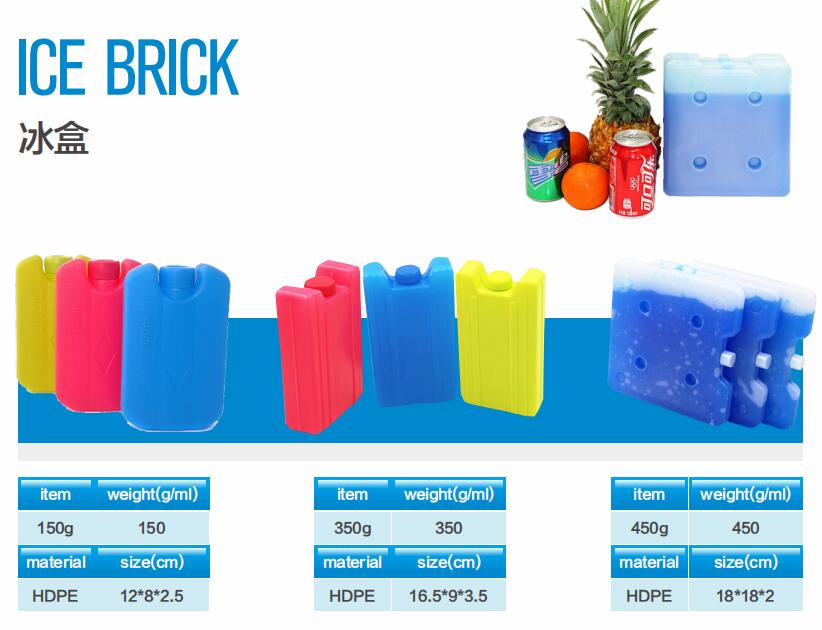
Cool Brick Cold Chain Design Across Every Handover
A cool brick cold chain program succeeds or fails at the interfaces. The brick may be correctly formulated and fully prepared, yet the payload can still be damaged if it touches a frozen surface, ينتظر على قفص الاتهام, enters the wrong box, misses a flight, or remains unopened at receipt. The coolant is one component inside a passive thermal system. It does not make an unqualified package temperature controlled and cannot compensate for every delay or handling error.
The practical task is to control the complete journey: متطلبات المنتج, تصميم التعبئة والتغليف, حالة المبرد, packout, يراقب, عمليات تسليم الناقل, receiver action, and investigation. This guide follows those decisions in the order the shipment experiences them.
Begin With the Product’s Thermal Risk, Including Cold Damage
“Keep cold” is not a product specification. Establish the approved storage or transport condition, whether brief excursions can be assessed, and who has authority to make a disposition decision. For medicines and biologics, use the manufacturer’s stability and quality information. For foods, distinguish safety requirements from quality preferences and apply relevant food-safety controls. للعينات, consult the responsible laboratory and applicable transport procedures.
Identify both directions of risk. Heat-sensitive payloads can lose quality when too warm. Freeze-sensitive payloads can be damaged when placed near fully frozen coolant even if the average box temperature looks acceptable. Some products also face condensation, ملصق, حاوية, اهتزاز, or contamination risks that interact with thermal packaging.
Payload configuration matters. A full box has different thermal mass and airflow from a nearly empty one. Bottles, الحقائب, قوارير, صواني الوجبات, and cartons contact the coolant and insulation differently. Define the maximum, الحد الأدنى, and mixed loads you actually intend to ship. Do not qualify one convenient middle load and assume it represents every case.
Translate the product requirement into package acceptance criteria before testing. Specify the measured range, مدة, allowed sensor locations, شروط البداية, and how missing or invalid data are handled. The criteria should not be changed after results are seen merely to create a pass.
Temperature monitors support evidence but do not control temperature. Select a device and placement that answer the quality question. A logger pressed against a brick may report the coolant surface rather than the payload environment; one placed in the warmest expected zone may be appropriate for heat risk but miss a cold spot. Thermal mapping and risk assessment should inform location.
Engineer the Passive Package as a Set of Heat Paths
A passive shipper manages heat entering or leaving through its walls, طبقات, غطاء, gaps, and openings. العزل يبطئ نقل الحرارة. Cool bricks absorb thermal energy as they warm or change phase. Payload and internal materials add thermal mass. Arrangement determines how those elements interact.
The brick’s nominal capacity is only a starting descriptor. Shape and surface area influence where cooling is delivered. A flat plate along a wall can create broad contact; a compact block can create a strong local zone. Gaps can permit convection, while separators can reduce direct cold contact. Lid placement often matters because heat can enter through closures and warm air can collect differently within the package.
Phase-change material, أو PCM, stores and releases thermal energy near a transition region. A material selected for a chilled application may be useful, but it does not clamp the entire box to one value. Real payload temperatures vary with PCM state, كتلة, صدَفَة, العزل, arrangement, الملف الشخصي المحيط, والوقت. Ask for controlled component information and evaluate it in the finished packout.
| System input | What must be defined | What to challenge in testing | Field control |
|---|---|---|---|
| الحمولة | Product range, كتلة, هندسة, start condition | Minimum, maximum, and justified mixed loads | Load identification and release status |
| Cool bricks | Product revision, كمية, ولاية, التنسيب | Heat and freezing risk, prepared-state fit | Freezer loading, تكييف, تعليمات العمل المرئية |
| Insulated container | مادة, أبعاد, إنهاء, بطانات | Seasonal profiles, طبقات, غطاء, ضرر | Incoming inspection and assembly |
| طريق | الوقت المخطط, يسكن, التحويلات, التأخير | Credible hot and cold challenges | Booking, التدريج, التصعيد, جاهزية المتلقي |
| يراقب | Device, يثبت, فاصلة, موقع, حدود | Sensor mapping and data recovery | التنشيط, سلسلة الحضانة, مراجعة |
| People | Roles and training | Real-speed packing and handover errors | Competency, supervision, deviation records |
The table shows why changing one item can affect the qualification. A visually similar brick, new box supplier, حمولة مختلفة, بطانة متغيرة, or longer route is not automatically covered. Use formal change assessment to decide whether document review, comparison, أو إعادة التأهيل مناسبة.
Condition the Coolant With a Verifiable Process
Preparation is one of the most underestimated controls. “Freeze overnight” says nothing about freezer load, تدفق الهواء, نقطة التحديد, brick spacing, درجة حرارة البداية, فتحات الأبواب, تذويب, or the slowest position. A freezer that holds already frozen stock may take much longer to prepare a dense load of warm returns.
Define the required starting state, معدات, نمط التحميل, rack or tote, preparation time basis, verification method, حد التدريج, and handling after removal. If bricks are conditioned after freezing, specify the observable or measured endpoint and arrangement. Train staff on the reason; otherwise, they may skip a step that looks like unnecessary warming.
WHO guidance for vaccine transport provides an important illustration. It distinguishes frozen water-packs, correctly conditioned icepacks, cool water-packs, and warm water-packs for different vaccine and climate situations. It also emphasizes matching coolant packs to approved cold boxes or carriers. Commercial food, الصيدلانية, and sample programs require their own instructions, but the general lesson is transferable: colder is not always safer, and coolant preparation must reflect payload risk.
Control identity at the freezer. If two formulations or starting states look similar, use part codes, تسميات دائمة, segregated locations, and scan or double-check steps where justified. Color can assist but should not be the only control because lighting, الصقيع, يتلاشى, and color-vision differences can cause mistakes.
Staging time starts consuming the package’s thermal reserve. Coordinate preparation with packing waves, limit open exposure, and keep packout materials ready. Do not place a warm payload in a tested configuration that assumed a preconditioned product. Record deviations rather than quietly adding an extra brick.
Qualify the Packout, Then Verify the Lane
Package qualification asks whether a defined configuration meets defined acceptance criteria under a justified challenge. Include commercial materials and representative production units. Record the container, حمولة, coolant revision, عدد, arrangement, تكييف, start temperatures, إنهاء, الملف الشخصي المحيط, مدة, sensor positions, معدات, الانحرافات, and results.
ISTA offers thermal transport standards and parcel profiles that can support structured development and qualification of insulated shipping containers. Choose a method suited to the distribution channel and objective. A standard name in a supplier report is meaningful only when the test configuration, laboratory status where applicable, and outcome are relevant.
بحاجة إلى حل التعبئة والتغليف لهذا التطبيق?
حسب الصناعة
تصفح مسارات التعبئة والتغليف حسب الأدوية, طعام & التطبيقات اللوجستية للمشروبات وسلسلة التبريد.
استكشاف الحلولحسب نطاق درجة الحرارة
ابحث عن التكوينات لـ 2–8°ج, 15–25°ج و ≤−70°ج- الشحنات.
عرض نطاقات درجات الحرارةاحصل على عرض أسعار
أرسل حمولتك, الطريق وعقد الوقت — نقوم بالرد بتوصية الحزمة في الداخل 24 ساعات.
Thermal tests should address foreseeable extremes without turning every imaginary event into a design requirement. Use lane data, الظروف الموسمية, يسكن, carrier schedules, and business consequences to define normal and delay scenarios. If a delay exceeds the package capability, create a contingency: hold in a controlled space, replenish under an approved procedure, إعادة توجيه, or contact the product owner. Never rely on handlers improvising with loose ice.
Operational qualification or a pilot verifies that people can execute the design. Watch packing at real speed, مراقبة التنشيط, التسميات, بيك اب البريد السريع, hub handling, and receiver response. Review lane temperature records carefully; a successful pilot is useful evidence but not a guarantee across all seasons. Reassess when route, جدول, حاوية, المبرد, حمولة, or carrier process changes.
International air cargo requires coordinated booking and handling. IATA temperature-control practices emphasize marking, تعليمات, والاتصالات. Check current airline acceptance, country rules, and requirements for other elements such as dry ice or transmitting devices. A cool brick does not change the declared product’s own regulatory or customs needs.
Practical Scenario: A Vaccine Outreach Transfer Goes Wrong on Paper
Consider a hypothetical health program transferring a freeze-sensitive vaccine from a regional store to outreach sites. The team has insulated carriers and compatible coolant packs. Drivers report that the carriers feel cold, yet monitoring sometimes shows low temperatures near the side wall. Staff at different stores use “conditioned” to mean different things: one waits for visible surface melting, another leaves frozen packs on a bench for a fixed time, and a third uses cool packs from a refrigerator.
The program does not respond by buying a stronger coolant. It first aligns practice with applicable WHO guidance, تعليمات المنتج, approved equipment, and local procedures. It verifies which vaccine presentations are involved, which carrier and coolant configuration is authorized, how the conditioning endpoint is recognized, how packs are arranged, and where monitoring should occur. Training includes the reason for freeze protection.
The route map shows that carriers sometimes remain in a cold vehicle overnight during winter. The team adds a seasonal process consistent with qualified guidance and stops treating the transfer as a single warm-climate scenario. Drivers receive an escalation contact when schedules slip. Receivers review the monitor and follow a documented excursion assessment rather than using “still cool to touch” as acceptance.
This scenario is intentionally not a claim about a specific product. It demonstrates the difference between owning coolant packs and controlling a cold chain. Correct terminology, equipment compatibility, حساسية المنتج, يراقب, and handovers matter together.
Manage Handoffs, الرحلات, and Evidence After Dispatch
Every handover should transfer four things: physical custody, الشروط المطلوبة, time information, and authority to respond. The shipper confirms the package is assembled and released. The carrier understands markings and handling. The receiver is ready, checks condition, يسترد البيانات, and moves the payload promptly to appropriate storage.
Create an exception tree before the first shipment. It can address delayed pickup, missed connection, damaged box, wet carton, ختم مكسور, missing logger, إنذار, unavailable receiver, and uncertain coolant state. Specify who can open or replenish a package and under which approved procedure. Uncontrolled opening changes the thermal configuration and chain of custody.
When an excursion or suspected failure occurs, quarantine the payload as required and preserve evidence. Keep the logger and data, pack record, lot identities, preparation record, صور فوتوغرافية, route times, carrier notes, receiver observations, and damaged materials. Product disposition should be made by authorized, qualified personnel using product-specific information, not by the cool-brick supplier or a generic temperature rule.
Investigate the system. Was the correct product loaded at the right temperature? Were the correct bricks fully prepared and conditioned? Did packers use the approved quantity and arrangement? Was the box damaged or left open? Did the route exceed the qualified profile? Was the sensor placed correctly? Was there an undocumented change? Corrective action may involve packaging, معدات, تمرين, جدولة, العقود, or monitoring rather than changing coolant.
For food transport in the United States, FDA sanitary transportation requirements emphasize suitable equipment, sanitary practices, temperature control where needed, تواصل, training in applicable circumstances, and action when a possible material temperature-control failure may render food unsafe. Determine how the rule applies to your roles and contracts; a passive packout supports but does not replace those controls.
Build Reuse and Sustainability Around Product Protection
A reusable cool brick can support a closed-loop system if it is recovered, تنظيفها, تفتيشها, مُعد, and retired under control. Separate returned and released stock. Define rejection criteria for cracks, تسرب, تورم, damaged closures, هوية غير قابلة للقراءة, and contamination. Confirm cleaning agents and temperatures are compatible with the commercial material. Do not return an uncertain unit to service because it looks mostly intact.
Track achieved rotations, خسارة, failure reasons, مسافة العودة, تنظيف, طاقة الفريزر, وعلاج نهاية الحياة. These data are necessary for cost and environmental evaluation. Material and coolant, تصنيع, الشحن الداخلي, متانة, backhaul use, wash water, تجفيف, تلوث, إعادة التدوير المحلية, and payload protection all influence the comparison. Reusable does not automatically mean greener.
European Union operators should also map current Packaging and Packaging Waste Regulation duties. أنظمة (الاتحاد الأوروبي) 2025/40 entered into force in 2025 and is generally scheduled to apply from August 12, 2026, while different measures and targets apply later and may have exemptions. Classify each packaging layer and economic-operator role with current expertise. Do not infer compliance from the shell’s reuse potential.
The strongest cold chain is not the coldest box. It is the system that maintains the product’s approved condition, avoids cold damage, can be executed by real people, preserves evidence, and has a planned response when the route changes. Cool bricks are valuable within that disciplined design.
الأسئلة المتداولة
How many cool bricks are needed for a cold-chain shipment?
لا يوجد رقم عالمي. Determine it through a qualified packout using the intended container, حمولة, brick product and state, arrangement, start temperatures, الملف الشخصي المحيط, مدة, ومعايير القبول. A larger count can add thermal mass but reduce payload space and increase freezing risk. Give packers a controlled visual instruction for each approved configuration.
Should cool bricks touch pharmaceutical products directly?
Not unless the qualified design and product assessment allow it. Fully frozen surfaces can create local cold exposure that harms freeze-sensitive products. Use the approved arrangement, فواصل, تكييف, وخطة المراقبة. Product-specific requirements and stability information take precedence over a generic coolant instruction.
Does a temperature logger make the package compliant?
لا. A logger records evidence; it does not maintain temperature or qualify the packaging. Select, configure, مكان, activate, retrieve, and review it through a controlled process. Compliance depends on applicable product and distribution requirements, التعبئة والتغليف المؤهلة, التعامل مع, الوثائق, and response to deviations.
Can a qualified packout be used on any route with the same duration?
ليس تلقائيا. Routes with equal planned duration can have different hot and cold exposures, يسكن, التحويلات, التعامل مع, altitude, التأخير, وجاهزية المتلقي. Compare the new lane with the qualified profile and configuration. Use a documented change assessment and additional testing or monitoring when gaps could affect product protection.
What makes a cool brick reusable in a professional cold chain?
The shell must remain suitable, but the process creates safe reuse. Recover units through a controlled route, segregate dirty returns, clean with compatible methods, inspect identity and condition, quarantine doubtful stock, prepare correctly, and record retirement. Track actual rotations and losses before making cost or sustainability claims.